
Branded Emergency Roadside Kits as Insurance Company Gifts: A Complete Guide
Discover how insurance companies can use branded emergency roadside kits as impactful corporate gifts that build loyalty and brand visibility.

Written by
Daniel Voss
Corporate Gifts
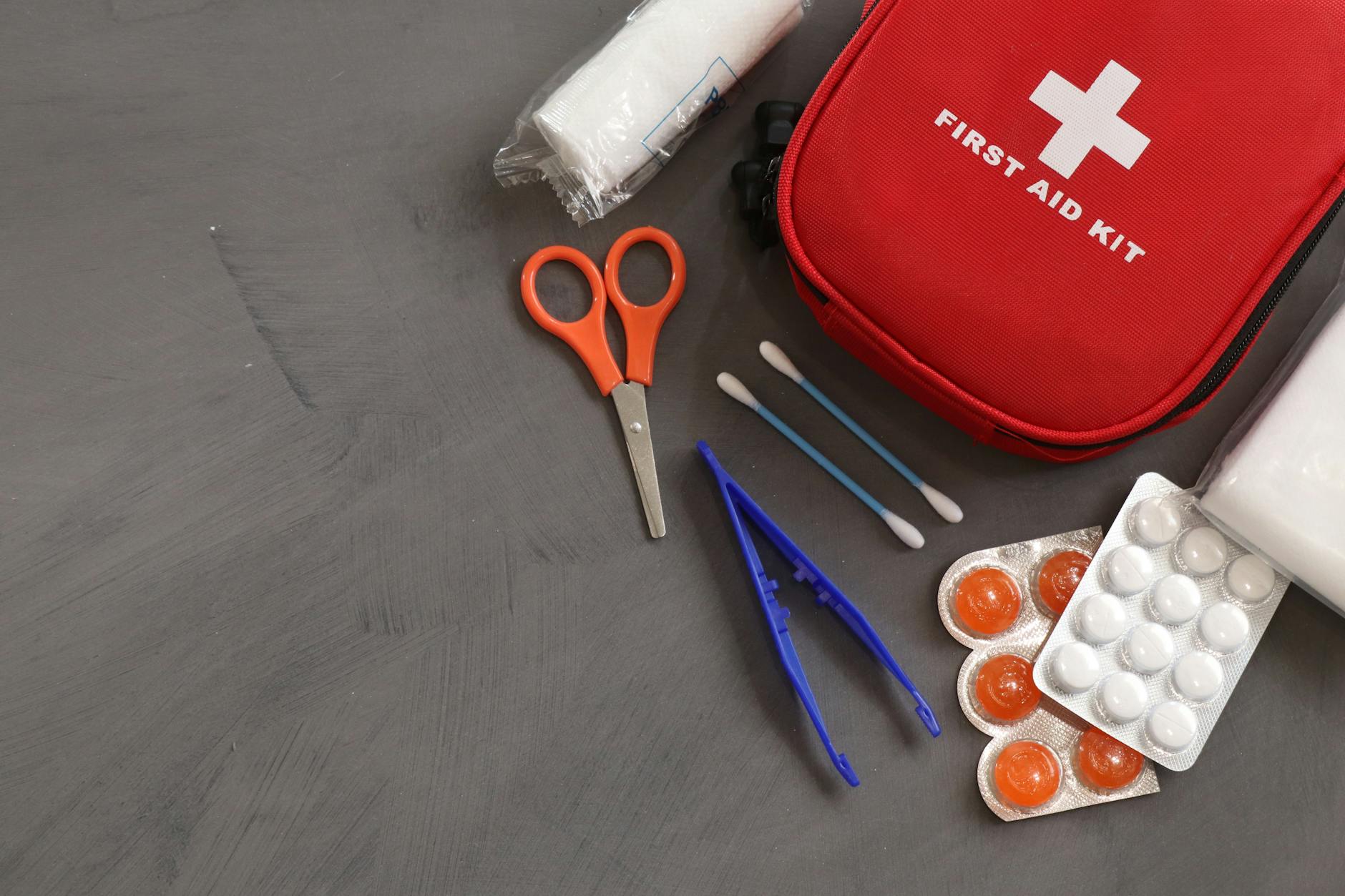
When it comes to corporate gifting, insurance companies face a unique challenge: finding something practical, memorable, and genuinely aligned with their brand promise. Branded emergency roadside kits for insurance company gifts tick every one of those boxes. Unlike a generic branded pen or a forgettable notepad, a roadside emergency kit sits in a customer’s car for years — a constant, tangible reminder of the brand every time it’s spotted in the boot. For Australian insurers looking to stand out in a highly competitive market, this category of promotional product deserves serious consideration.
Why Branded Emergency Roadside Kits Make Sense for Insurance Companies
The alignment between an insurance company’s core value proposition and an emergency roadside kit is almost too perfect. Insurance is fundamentally about preparedness, protection, and peace of mind. A well-stocked roadside kit communicates exactly that — your brand is there when it matters most, even before a customer ever needs to make a claim.
Think about a Sydney-based car insurer rolling out a new customer welcome pack. Instead of (or alongside) the usual documentation, they include a branded emergency roadside kit. That kit might contain a reflective safety vest, jumper cables, a torch, a first aid kit, tyre inflator, emergency triangles, and a multi-tool. Every single component reinforces the insurer’s message: we’ve got you covered.
From a marketing perspective, roadside kits also have exceptional perceived value. Recipients genuinely appreciate receiving something useful rather than a novelty item. That appreciation translates directly into positive brand sentiment — which is exactly what insurance companies need to build long-term customer loyalty.
The Practical Case for This Product Category
Australia’s vast geography makes roadside preparedness a genuine concern. Drivers in regional Queensland, outback Western Australia, or the Northern Territory regularly travel long distances between towns. Even urban commuters in Melbourne or Brisbane benefit from having emergency supplies on hand for breakdowns, flat tyres, or minor accidents. A branded kit positioned as a safety essential resonates with Australian drivers of all demographics.
This isn’t just about aesthetics. It’s about giving customers something they’ll actually use — or at the very least, keep close at hand. That ongoing presence in the vehicle is what makes this product such a powerful branding tool.
What to Include in a Branded Emergency Roadside Kit
The contents of a roadside kit can vary significantly depending on budget, target audience, and intended use. For insurance company gifts, there are a few tiers worth considering.
Entry-Level Kits (Budget-Friendly)
These typically include the essentials: a reflective safety vest, a small first aid pouch, a warning triangle or two, a tow rope, and jumper cables. Packaged in a compact zip-up bag with screen printing or embroidery on the exterior, entry-level kits can be sourced in bulk at competitive price points. For a large-scale customer acquisition campaign, this tier makes strong economic sense.
Mid-Range Kits
Step up to a mid-range kit and you’ll find more comprehensive inclusions: multi-tools, LED torches, tyre pressure gauges, emergency window breakers, seatbelt cutters, waterproof matches, and duct tape. These kits often come in a structured soft-sided case or a hard-shell carry case — both of which offer excellent branding real estate for embroidery, debossing, or full-colour digital printing.
Premium Kits
For high-value clients, VIP customers, or broker gifting programs, a premium roadside kit makes a serious impression. Think padded hard cases, premium jumper cables, a portable tyre inflator with digital gauge, a high-lumen rechargeable torch, and a branded first aid kit with comprehensive contents. Some suppliers will even allow full customisation of the kit’s interior layout and component branding. These are the kinds of gifts that get shown off and talked about.
For guidance on choosing the right customisation approach for different kit materials, check out our guide to embroidery vs screen printing for promotional products and how debossing works on branded bags and cases.
Decoration Methods and Branding Options
The outer bag or case is your primary branding canvas. Here’s a quick rundown of the most common decoration methods for roadside kit packaging:
Screen printing works exceptionally well on flat nylon or polyester surfaces. It’s cost-effective for bulk orders and delivers bold, clean logo reproduction. Best for simple one or two-colour logos.
Embroidery adds a premium, tactile finish that elevates perceived quality. Ideal for structured cases with fabric panels. Bear in mind that fine detail and gradients don’t translate well to embroidery — keep artwork clean and relatively simple.
Debossing and laser engraving are excellent choices for hard-shell cases and metal components within the kit itself. A laser-engraved multi-tool with your company logo is a gift people genuinely treasure.
Digital printing and heat transfer allow for full-colour, photographic-quality artwork on the exterior of bags and pouches. Perfect if your insurance brand has a complex logo, gradient, or a design-forward campaign visual.
For more detailed advice on matching decoration methods to materials, read our breakdown of the best printing methods for promotional bags.
Minimum Order Quantities and Budgeting
When planning a branded roadside kit campaign, understanding MOQs (minimum order quantities) is essential. Most Australian promotional product suppliers work with MOQs starting from 25 to 50 units for pre-packaged kit options, though fully custom kits may require 100 units or more depending on the supplier and level of customisation.
Budget ranges vary widely:
- Entry-level kits: $15–$35 per unit (ex GST) at volume
- Mid-range kits: $40–$80 per unit (ex GST) at volume
- Premium kits: $100–$250+ per unit (ex GST)
For insurance companies running large-scale campaigns — think welcome packs for new policyholders or annual retention gifts — volume pricing becomes particularly advantageous. A Melbourne insurer ordering 5,000 entry-level kits will pay substantially less per unit than a firm ordering 200.
Setup fees for decoration typically range from $50 to $150 per colour or decoration position, depending on the method. Always factor these into your per-unit cost calculations. For a deeper dive into how to budget effectively, our guide to understanding promotional product pricing in Australia is worth bookmarking.
Lead Times and Turnaround Planning
Roadside kits are rarely an impulse purchase — and that’s actually a good thing. Because they require thoughtful planning, insurance companies that build them into their annual gifting calendars tend to get the best results in terms of both pricing and quality.
Standard lead times for pre-packaged kits with logo decoration run between 2 and 4 weeks from artwork approval. Fully custom kits sourced from overseas (typically China or Taiwan) may require 6 to 12 weeks including shipping. If you’re in Adelaide or Perth and managing a state-based campaign with a hard launch date, build in extra buffer time for freight.
For urgent requirements — say, a last-minute retention campaign — some Australian suppliers carry stock kits that can be decorated locally in 5 to 10 business days. These rush options typically cost more but provide flexibility when timelines tighten unexpectedly.
Understanding how lead times affect your ordering strategy is covered in detail in our post on how to plan a promotional product campaign from scratch.
Finding the Right Supplier for Insurance Company Roadside Kits
Not all promotional product suppliers are set up to handle the complexity of a kit product. When evaluating suppliers, look for:
- Experience with kit assembly: Can they source and assemble multiple components under one roof, or will you be managing separate vendors?
- Safety certifications: Some kit components (first aid items, hi-vis vests) may need to meet Australian standards. Confirm compliance before ordering.
- Branding capability: Do they offer the decoration methods your brand requires, in-house or through reliable partners?
- Sample availability: Always request a pre-production sample before committing to a full run.
- Reseller and agency pricing: If you’re a marketing agency managing this on behalf of an insurance client, confirm whether the supplier offers trade pricing and confidentiality arrangements.
For agencies and resellers specifically, our guide to finding reputable promotional product suppliers in Australia covers the key criteria to vet before partnering.
It’s also worth exploring how to compare promotional product quotes effectively to ensure you’re getting genuine value across multiple supplier bids. And if sustainability is a consideration, our overview of eco-friendly promotional product options in Australia highlights suppliers who offer more sustainable kit components.
Creative Campaign Ideas for Insurance Companies
Beyond the standard new-customer welcome gift, there are several creative ways insurance companies can deploy branded roadside kits:
- Broker and agent gifting: Reward top-performing brokers in Brisbane or Sydney with a premium kit that reinforces the business relationship.
- Anniversary retention gifts: Send a mid-range kit to policyholders on their third or fifth policy anniversary as a loyalty reward.
- Cross-sell campaigns: Use a branded kit as a gift-with-purchase incentive when customers add comprehensive car insurance to their existing home policy.
- Event activations: Give away compact entry-level kits at motoring events, trade expos, or sponsorship activations.
- B2B fleet accounts: For corporate fleet customers, a branded kit for each vehicle in the fleet is a practical, well-received gesture.
For more creative thinking on promotional gifting strategies, our post on corporate gift ideas that actually get used offers additional inspiration.
Conclusion: Key Takeaways
Branded emergency roadside kits for insurance company gifts represent one of the most strategically aligned promotional product choices available to Australian insurers. The product speaks directly to the brand’s core promise, delivers genuine utility, and earns a long-term place in the recipient’s vehicle.
Here are the key points to remember as you plan your campaign:
- Alignment matters: Roadside kits reinforce an insurer’s message of protection and preparedness better than almost any other promotional product category.
- Budget for tiers: Entry, mid-range, and premium options allow you to match the gift to the relationship — new customer, loyal policyholder, or high-value broker.
- Plan ahead: Build in 4–12 weeks depending on customisation level, especially for large-volume or offshore-sourced kits.
- Vet your supplier carefully: Confirm kit assembly capability, compliance with Australian safety standards, and decoration quality before committing.
- Think beyond the welcome pack: Retention gifts, broker rewards, fleet accounts, and event activations all offer compelling use cases for this product.
Whether you’re a marketing agency briefing a supplier on behalf of an insurer, or an in-house marketing team at a Canberra or Hobart-based insurance business, this category offers genuine, lasting value — the kind that keeps your brand front of mind long after the policy documents have been filed away.