
How to Use Cardboard Packaging Boxes to Elevate Your Corporate Gifting Strategy
Discover how cardboard packaging boxes can transform your branded corporate gifts. Tips for resellers, agencies & Australian businesses.

Written by
Daniel Voss
Corporate Gifts
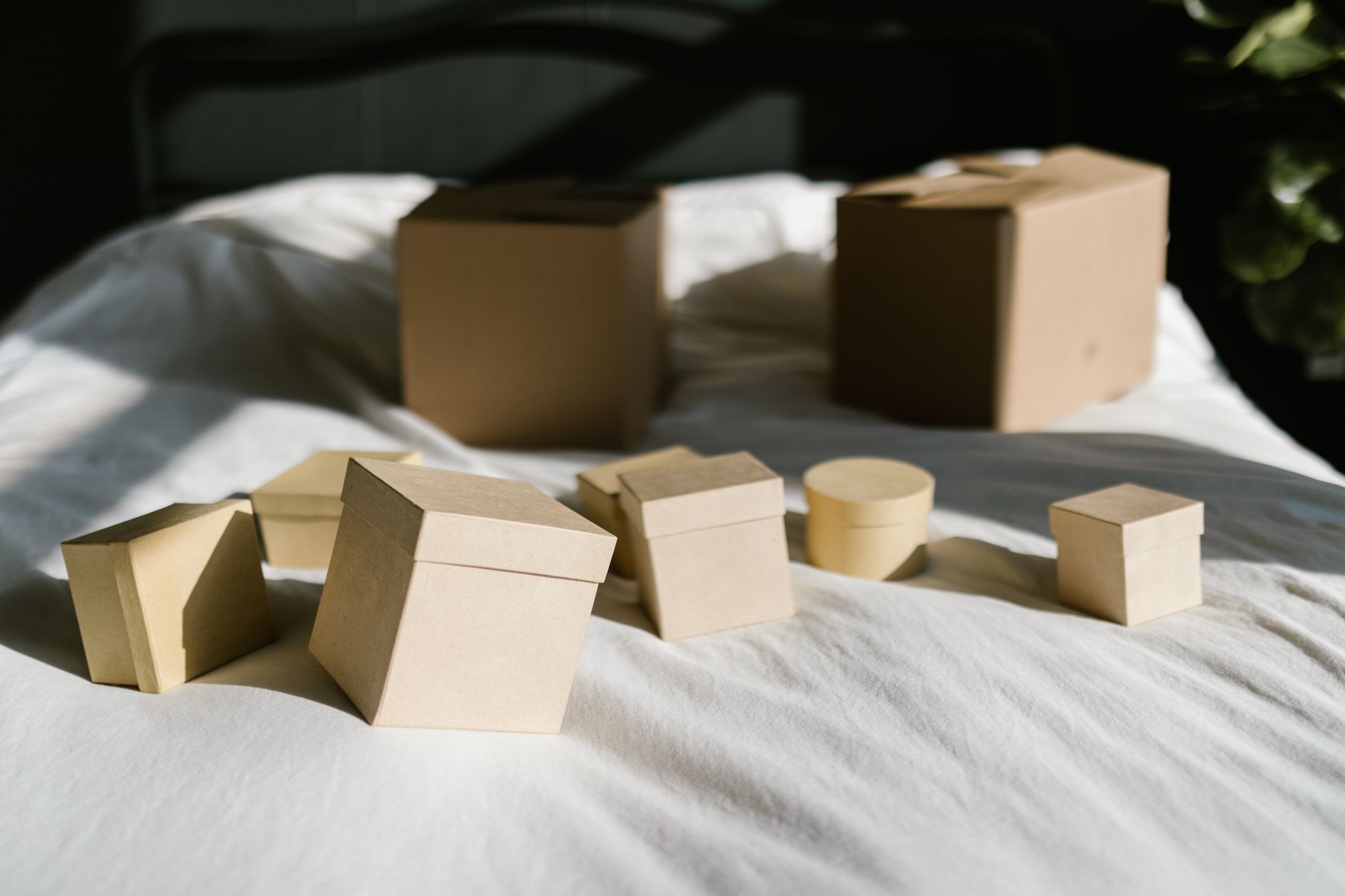
When it comes to corporate gifting, most of the attention goes to what’s inside the box. But seasoned marketers and experienced resellers know a truth that often gets overlooked: the packaging itself is part of the gift. Cardboard packaging boxes have evolved far beyond simple brown corrugated containers. Today, they’re a powerful branding canvas — a first impression that can elevate even the most modest promotional product into something that feels premium, considered, and memorable. Whether you’re a reseller putting together client gift packs, a marketing agency building a conference experience, or a business rolling out an end-of-year gifting campaign, understanding how to source, customise, and deploy branded cardboard packaging is a skill worth developing.
Why Cardboard Packaging Boxes Deserve a Place in Your Gifting Strategy
It sounds simple, but branded packaging dramatically changes how a recipient perceives a gift. A custom branded tote bag or a quality stainless steel water bottle delivered in a plain poly bag feels like an afterthought. That same product nestled inside a custom-printed cardboard box with tissue paper and a branded card? That feels intentional. That feels like a brand that cares.
For resellers and marketing agencies working across Australian cities — from Sydney CBD offices to Brisbane corporate parks to Perth mining headquarters — packaging is increasingly becoming part of the brief. Clients don’t just want products; they want an unboxing experience. This shift has been driven largely by social media culture, where recipients photograph and share premium unboxing moments. A well-designed cardboard box essentially turns your client’s gift into organic content.
Beyond aesthetics, cardboard packaging boxes also serve a practical function. They protect products during transit, allow for clean presentation at events and conferences, and can be easily flatpacked for storage, making them highly efficient for bulk gifting campaigns.
The Difference Between Packaging Types
Before diving into sourcing and customisation, it’s worth understanding the main types of cardboard packaging boxes you’re likely to encounter in the Australian promotional products market:
- Corrugated cardboard boxes — the workhorses of shipping and transit. Sturdy, protective, and available in a huge range of sizes. Ideal for mailing gift packs directly to recipients.
- Rigid or setup boxes — think luxury presentation boxes with a lid and base. These feel premium, are excellent for high-value gift sets, and are commonly used in the corporate gifting space.
- Folding cartons — lightweight, flatpacked for storage, and assembled on demand. A popular choice for product packaging and smaller gift items.
- Kraft boxes — made from recycled brown kraft paper, these are the go-to option for brands that want to project an eco-conscious image without a big budget premium.
Understanding these distinctions helps you match the right packaging format to the right gifting context and budget.
Customising Cardboard Packaging Boxes: Decoration Methods and What They Mean for Your Order
One of the most exciting aspects of branded cardboard packaging is the sheer range of customisation options available. Unlike some promotional products where decoration methods are limited, cardboard boxes can be finished in ways that genuinely rival retail-quality packaging.
Printing Techniques for Branded Boxes
Digital printing is the most accessible option for smaller runs. With no setup plates required, digital printing allows full-colour designs to be reproduced with excellent accuracy. It’s a practical choice when you need 50–250 boxes with detailed artwork or photographic elements.
Offset lithographic printing is the standard for larger production runs — typically 500 units and above. The colour accuracy is exceptional, and it supports PMS colour matching, which is critical for brands with strict colour guidelines. If you’re ordering for a national campaign from a Melbourne head office with brand standards to maintain, offset litho is your friend.
Foil stamping and embossing take packaging into truly premium territory. These finishing techniques are common on rigid gift boxes and add a tactile, luxury element that recipients notice immediately. Many corporate gifting suppliers offer these as add-ons, though they do increase lead times and unit costs.
Spot UV coating adds a glossy varnish to selected areas of the design — perfect for making a logo or key graphic element pop against a matte background.
For resellers building gift packages that also include items like custom branded thermos bottles or toiletry bags for travel, co-ordinating the packaging finish with the included products creates a cohesive, polished result.
Key Artwork and Specification Requirements
When briefing a supplier on custom cardboard packaging boxes, you’ll typically need:
- Vector artwork files (AI or EPS format) for logos and any text elements
- Full-colour CMYK or PMS colour references for accurate reproduction
- A structural dieline — the flat template showing where folds, cuts, and glue areas sit. Reputable suppliers will provide this as part of the quoting process.
- Bleed and safe zones — generally 3–5mm bleed for box artwork to account for cutting tolerances
Always request a physical sample or a digital proof before approving a full production run. This is non-negotiable for packaging, where a slight misalignment on a fold can compromise the entire visual.
Minimum Order Quantities, Lead Times, and Budget Considerations
If you’re new to sourcing cardboard packaging boxes for promotional or corporate gifting purposes, the MOQ (minimum order quantity) landscape can be a shock. Unlike ordering 12 units of a custom polo shirt or a dozen custom lanyards, custom-printed packaging typically has higher minimum runs.
What to Expect with MOQs
For folding cartons and kraft boxes with digital printing, MOQs can be as low as 50–100 units — making them accessible for smaller gifting campaigns or trial orders.
For offset-printed folding cartons, expect MOQs starting around 500–1,000 units. The unit cost drops significantly at higher volumes, so these are best suited to ongoing campaigns or annual gifting programmes.
Rigid setup boxes (the premium lid-and-base style) typically start at 100–200 units for custom production, but costs per unit are considerably higher. These make the most sense when the product inside justifies the investment — think gift sets containing a solar-powered power bank alongside premium branded apparel.
Turnaround Times
Lead times for custom cardboard packaging are longer than most promotional products. Budget for:
- Digital-printed folding cartons: 10–15 business days
- Offset-printed cartons: 3–5 weeks from artwork approval
- Rigid gift boxes with foiling or embossing: 4–6 weeks, sometimes longer for offshore production
If you’re working with a client on an end-of-year gifting campaign in Sydney or Melbourne, placing your packaging order by late October at the very latest is strongly recommended. The December crunch hits packaging suppliers hard.
Budgeting Per Unit
A useful rule of thumb for resellers: packaging should represent no more than 15–25% of the total gift package value. If the products inside — say, a branded tote bag and a tiny cooler bag — have a combined value of $40, you’re looking at an appropriate packaging budget of $6–$10 per unit at scale.
For premium campaigns with high-value recipients (think C-suite executives or major client accounts), that ratio can stretch, particularly when the packaging itself becomes a keep-worthy item.
Sourcing Cardboard Packaging Boxes: What Australian Resellers Need to Know
Finding quality, reliable suppliers for custom cardboard packaging in Australia requires some due diligence. The market includes both local manufacturers and importers sourcing from overseas production facilities — each with different strengths.
Local vs Offshore Production
Local Australian manufacturers offer faster turnaround, easier communication, no import delays, and no currency exposure. They’re also better placed to handle shorter runs and rush orders. The trade-off is cost — local production is typically 20–40% more expensive per unit than offshore.
Offshore production (commonly from manufacturers in China, Taiwan, or Vietnam) offers significantly lower unit costs at volume, but requires longer lead times and careful quality management. For wholesale promotional products ordered in bulk for national campaigns, offshore production often makes financial sense when lead times permit.
Many experienced resellers use a hybrid approach: offshore production for their standard, high-volume gifting packages, and local production for rush orders or smaller custom runs.
Sustainable Cardboard Packaging Options
Sustainability is no longer optional for many Australian corporate clients. FSC-certified cardboard (certified by the Forest Stewardship Council) is the minimum expectation for environmentally conscious brands. Kraft paper boxes made from recycled content, soy-based inks, and water-based coatings are increasingly standard requests.
This aligns well with broader eco-branded gifting trends. Resellers who pair sustainable packaging with products like wheat straw office supplies or sustainable bamboo cutlery sets create cohesive, values-led gift packages that resonate strongly with purpose-driven organisations.
It’s also worth noting that packaging sustainability can be called out on the box itself — a small printed note about recycled content or responsible sourcing adds authenticity to the brand message.
Building Complete Gift Packages: Bringing It All Together
The real power of cardboard packaging boxes in a promotional context is how they unify a collection of products into a single, branded experience. For resellers and agencies, this is the value-add that justifies a higher margin and builds longer client relationships.
A well-executed gift package might include:
- A custom-printed rigid box with the client’s logo embossed on the lid
- A branded custom t-shirt or polo with a swing tag
- A screen-printed or sublimated bag
- A premium drinkware item like a branded thermos bottle
- A handwritten-style card printed with a personalised message
Each item has been covered in its own right across The Supplier Edit’s guides — from choosing the right t-shirt printing method to exploring unique promotional items that stand out — but it’s the cardboard packaging box that brings everything together visually and experientially.
For agencies working on conference packs in Adelaide or Brisbane, consider how top-rated branded tote bags or custom hoodies with sublimation can be paired with a branded outer box for a truly premium delegate gift. These kinds of packages position your client as a brand that invests in its people and its relationships.
Conclusion: Key Takeaways for Cardboard Packaging Boxes in Corporate Gifting
Cardboard packaging boxes are one of the most underutilised tools in the promotional products and corporate gifting toolkit. When approached strategically, they transform ordinary products into premium brand experiences that recipients remember — and share. Here are the key things to keep in mind as you explore this category:
- Match the packaging format to the budget and occasion — rigid gift boxes for high-value recipients, kraft folding cartons for everyday gifting, corrugated for postal campaigns
- Plan lead times carefully — custom cardboard packaging takes longer than most promotional products, so build in 4–6 weeks for complex finishes and offshore production
- Prioritise artwork quality — vector files, accurate PMS references, and physical sample approval are non-negotiable for professional results
- Consider sustainability credentials — FSC-certified materials, recycled content, and soy-based inks are increasingly expected by Australian corporate clients
- Use packaging to unify your gift set — co-ordinating finishes, colours, and messaging across packaging and products creates the kind of cohesive, brand-forward experience that builds client loyalty
For resellers, marketing agencies, and businesses looking to elevate their next gifting campaign, investing time and budget into the right cardboard packaging solution is one of the smartest decisions you can make. The box is always part of the gift.