
T-Shirt Prints Explained: Choosing the Right Method for Your Brand
Discover which t-shirt print methods suit your brand, budget, and order size. A practical guide for Australian businesses and resellers.

Written by
Ryan Gallagher
Custom Apparel
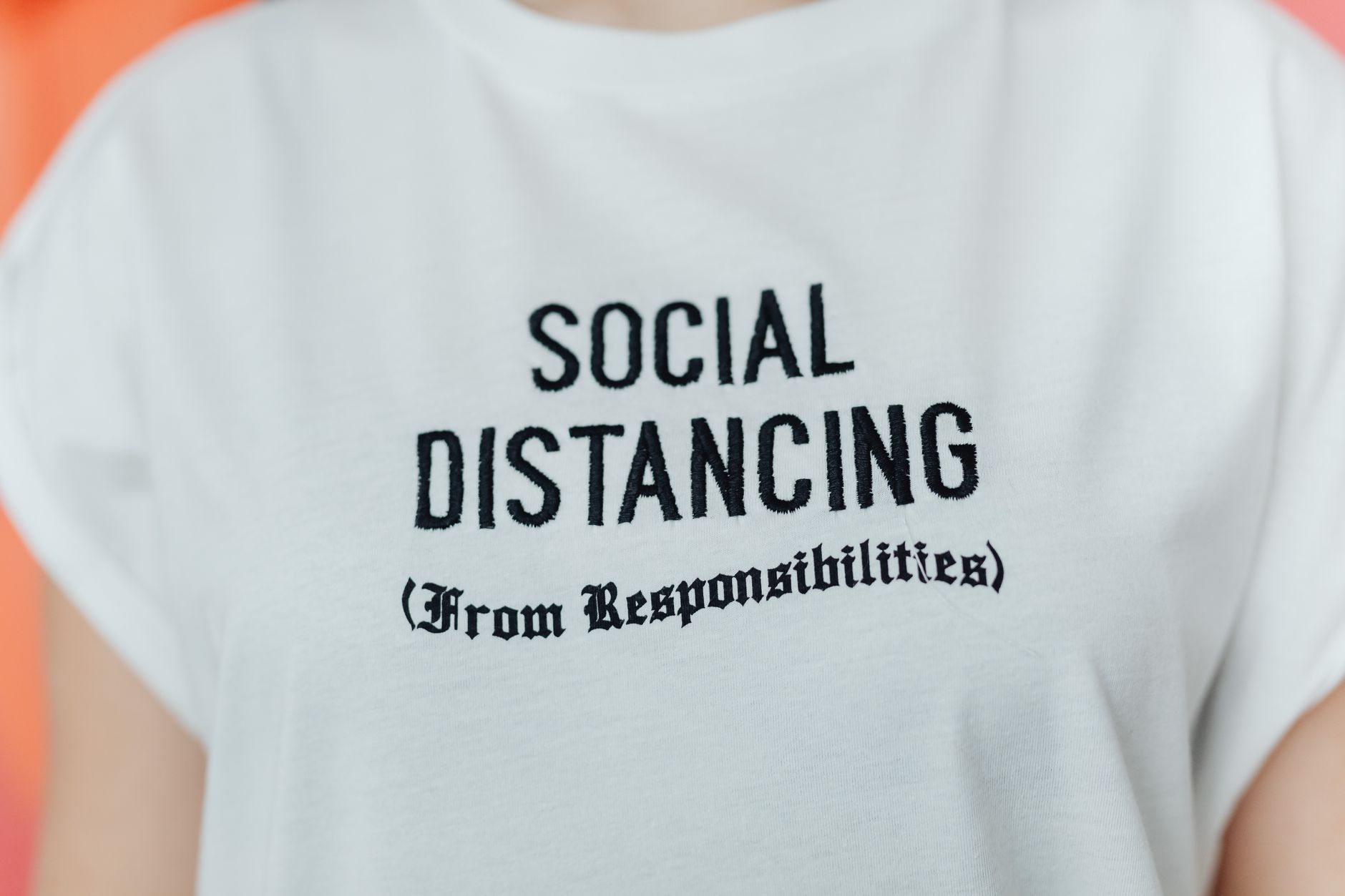
When it comes to branded merchandise, few items deliver the visibility and versatility of a custom t-shirt. Whether you’re a marketing agency briefing a supplier for a client’s product launch, a reseller building out your apparel offering, or a business ordering staff uniforms for a Sydney retail floor, the decoration method you choose will directly impact the quality, durability, and cost of the final product. T-shirt prints are not a one-size-fits-all solution — and understanding the differences between methods is what separates a polished, professional result from something that cracks after three washes and ends up in a charity bin. This guide breaks down everything you need to know.
Why T-Shirt Prints Matter More Than Most People Realise
It’s tempting to focus purely on the garment itself — the weight, cut, and fabric — and treat the decoration as an afterthought. But the print method is just as critical as the shirt. A poorly chosen technique can bleed colours, lose fine detail, feel stiff on the fabric, or fail to hold up through regular laundering.
For resellers, this is especially important. Your reputation depends on delivering consistent, high-quality results to your clients. If a Melbourne events company receives 500 event tees where the logo has already started peeling before the event is even over, that’s a client relationship at serious risk.
Understanding how each method works — and where it performs best — means you can brief suppliers more confidently, set accurate client expectations, and protect your margins by avoiding costly reprints or complaints.
The Most Common T-Shirt Print Methods in Australia
Australia’s promotional apparel industry uses a range of decoration techniques, each suited to different applications, garment types, and order volumes. Here’s a breakdown of the main methods you’ll encounter when working with local suppliers.
Screen Printing
Screen printing is the industry workhorse and remains the most popular choice for bulk t-shirt orders across Australia. It works by pushing ink through a mesh screen onto the fabric — each colour requires a separate screen, which is why setup costs apply per colour.
Best for: High-volume runs (typically 24+ pieces), bold graphics with limited colours, athletic and event apparel.
Typical MOQ: 24–50 pieces, depending on the supplier.
What to know: Setup fees usually range from $20–$50 per colour per screen. Once the setup is paid, the per-unit cost drops significantly with volume — making it extremely cost-effective for Brisbane sporting clubs ordering 100+ jerseys or a Perth corporate ordering uniforms across multiple departments.
Screen printing performs best with spot colours rather than complex photographic images. It also works beautifully on standard cotton and poly-cotton blend tees.
Direct-to-Garment (DTG) Printing
DTG printing uses a specialised inkjet printer to apply water-based inks directly onto the fabric — essentially printing the image straight onto the shirt. It’s the go-to for photographic artwork, complex gradients, and multi-colour designs.
Best for: Low-volume runs, complex full-colour artwork, on-demand printing.
Typical MOQ: Often as low as 1 piece — no setup fees.
What to know: DTG works best on 100% cotton garments and can struggle with dark synthetic fabrics. Results are excellent for detailed, full-colour designs, but the cost per unit doesn’t drop as dramatically as screen printing at scale. For an Adelaide marketing agency needing 10 prototype tees for a client pitch, DTG is ideal.
Heat Transfer Vinyl (HTV)
Heat transfer vinyl involves cutting a design from coloured vinyl and heat pressing it onto the fabric. It’s clean, precise, and produces a smooth, slightly raised finish on the garment.
Best for: Names and numbers on sportswear, small runs, single-colour designs.
Typical MOQ: Can be as low as 1 piece.
What to know: HTV isn’t ideal for large coverage areas or highly detailed graphics. It’s widely used for personalised garments — think a Gold Coast netball club adding player names to the back of jerseys. Durability is solid but can peel at edges if not applied correctly or washed improperly.
Sublimation Printing
Sublimation uses heat and pressure to transfer dye directly into the fabric fibres rather than sitting on top of the surface. The result is a virtually seamless, full-colour print that won’t crack, fade, or peel.
Best for: Polyester garments, all-over prints, performance and activewear, bright full-colour designs.
Typical MOQ: Varies — often 20–50 pieces, though some suppliers allow lower quantities.
What to know: Sublimation only works on white or very light-coloured polyester fabrics. It’s the preferred choice for Canberra sports teams ordering full-sublimation jerseys or event merchandise with edge-to-edge branding. The print becomes part of the fabric itself, which gives it exceptional durability through repeated washing.
Heat Transfer Printing
Distinct from vinyl cutting, heat transfer printing involves printing the design onto a special transfer paper and then heat pressing it onto the garment. It’s versatile and handles full-colour artwork reasonably well.
Best for: Medium runs, full-colour designs on mixed fabrics, promotional tees.
Typical MOQ: Often 12–24 pieces.
What to know: Transfer quality varies significantly between suppliers, so always request a sample before committing to a large run. For resellers, it’s worth understanding the difference between this method and DTG, as confused clients can have mismatched expectations about texture and feel.
Choosing the Right T-Shirt Print for Your Project
With so many options, the decision comes down to four key factors: artwork complexity, order quantity, fabric type, and budget.
Artwork Complexity
If the design includes photographic elements, gradients, or more than four colours, DTG or sublimation will serve you better than screen printing. For a clean, bold two-colour logo — like a classic corporate brand mark — screen printing delivers sharp results at scale.
Order Quantity
For small orders under 24 pieces, DTG or heat transfer are your practical choices. For anything over 50 pieces, screen printing generally becomes the most cost-effective option per unit. Sublimation is competitive at volume for polyester garments.
Fabric Type
Cotton fabrics suit screen printing and DTG best. Polyester is the domain of sublimation. Poly-cotton blends can be used with most methods but may affect colour vibrancy slightly. Always confirm the garment fabric before selecting a print method.
Budget Considerations
For a Hobart charity running a fundraiser on a tight budget, DTG’s low MOQ and zero setup fees might outweigh the higher per-unit cost. For a Darwin council ordering 300 volunteer shirts, screen printing’s economy of scale wins out. Resellers should factor setup fees into client quotes — they can significantly affect the pricing on small runs.
Decoration Is Just One Part of the Branded Merchandise Puzzle
T-shirt prints are a cornerstone of promotional merchandise, but they’re rarely ordered in isolation. Smart resellers and marketing agencies build complete branded kits that combine apparel with complementary products. A conference or trade show activation might pair printed tees with personalised shopper bags or reusable coffee cups, while a staff onboarding pack could include branded workwear polo shirts alongside portable phone chargers and other accessories.
Building out a full product offering also means understanding decoration methods across other categories. For instance, laser engraving is to hard goods what screen printing is to apparel — a high-quality, durable method suited to volume. And just as you’d consider the print method for a t-shirt, you’d consider decoration when sourcing personalised drink bottles, branded phone cases, or engraved dog tags.
Practical Tips for Resellers and Marketing Agencies
Working between clients and suppliers requires fluency in the technical details. Here are some practical pointers to make your t-shirt print projects run smoothly.
Always request a physical sample before large production runs. A digital mock-up doesn’t capture how ink feels on fabric, how colour vibrancy sits, or how a garment fits. This applies whether you’re ordering custom tees or t-shirts and polos across a mixed range.
Provide vector artwork where possible. Screen printing and most other methods require clean vector files (AI, EPS, or high-resolution PDF) to produce sharp results. Raster images like JPEGs at small sizes will soften or pixelate. Brief your clients on this early.
Understand PMS colour matching. Screen printing suppliers can match Pantone colours precisely — critical for brands with strict guidelines. Make sure you communicate the correct PMS codes rather than relying on colour approximations from a PDF.
Factor in turnaround time. Standard production for a screen printed run is typically 10–15 business days from artwork approval. Rush orders are often available but attract a premium. Build lead time into your client timelines — especially for events, where a missed deadline isn’t recoverable.
Check washing instructions on product specs. This matters for the end user. Sublimation garments are extremely wash-durable; some heat transfer methods require cold gentle washing. Passing this information on to clients adds professionalism to your service.
Conclusion: Matching T-Shirt Prints to the Right Supplier and Method
Navigating the world of t-shirt prints is genuinely straightforward once you understand the core methods, their strengths, and where they fit in a commercial context. Whether you’re working with a Sydney marketing agency on a product launch activation, briefing a supplier for a Melbourne corporate uniform rollout, or building a reseller catalogue that covers everything from customised shirts and clothing to personalised bucket hats and shoppers bags, decoration knowledge is your competitive advantage.
The best resellers and agencies aren’t just order takers — they’re informed partners who help clients make smarter decisions from the start.
Key takeaways:
- Screen printing is the most cost-effective method for bulk orders with bold, simple artwork — ideal for 50+ pieces.
- DTG printing suits low-volume, complex full-colour designs with no setup fees — perfect for prototypes and short runs.
- Sublimation is unbeatable for all-over, full-colour prints on polyester garments, with exceptional wash durability.
- Heat transfer vinyl is well-suited to names, numbers, and small personalised runs on sportswear.
- Artwork quality, fabric type, order volume, and budget are the four factors that should always drive your method selection — and communicating these clearly to suppliers will set every project up for success.