
T-Shirt and Polo Buying Guide for Australian Businesses and Resellers
Discover how to choose between custom t-shirts and polos for your brand. A practical guide for Australian businesses, resellers and agencies.

Written by
Ryan Gallagher
Custom Apparel
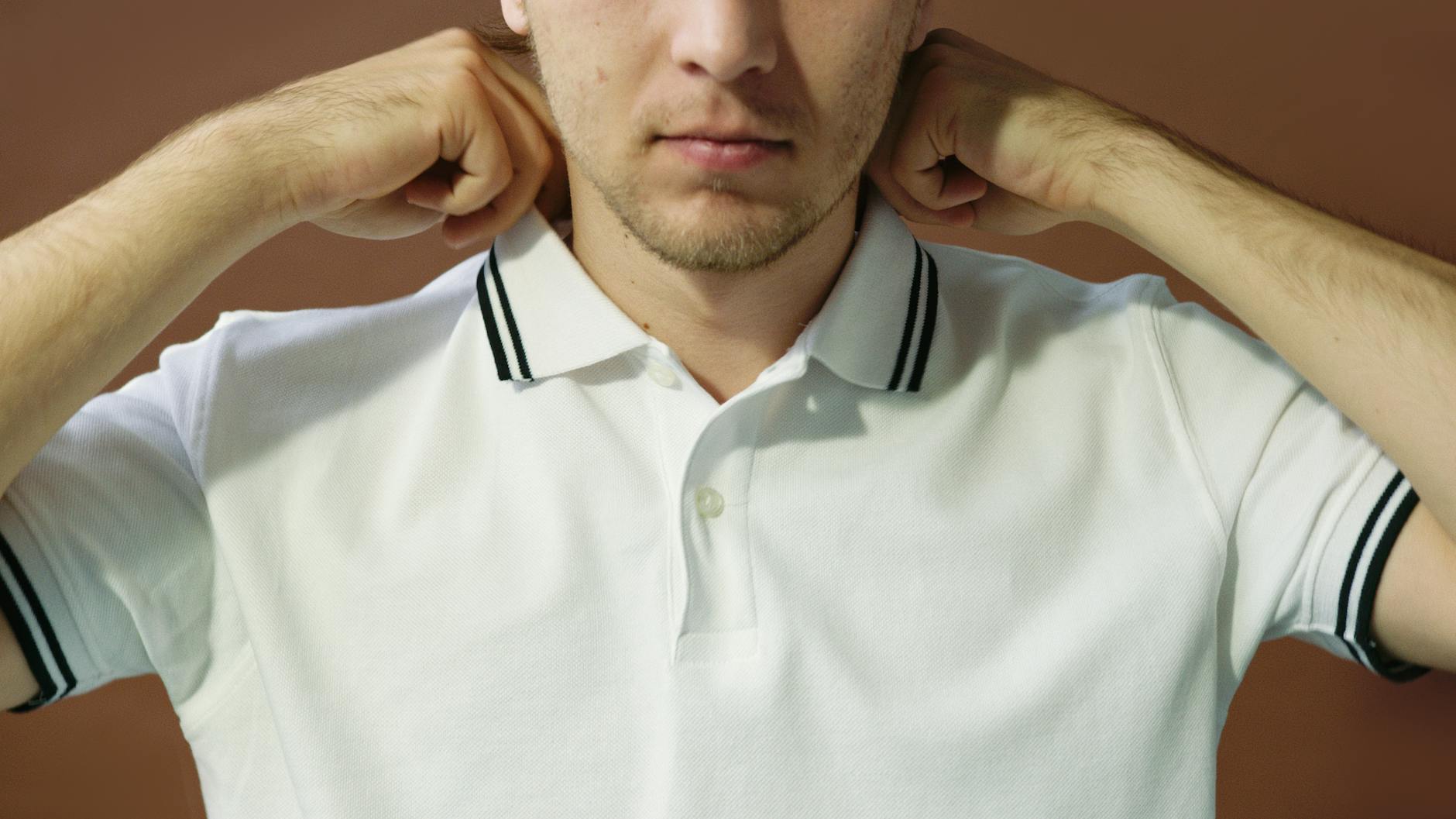
Choosing between a custom t-shirt and polo for your next branded apparel order sounds straightforward — until you’re staring down a product catalogue with dozens of fabric weights, collar styles, decoration methods, and minimum order quantities. For Australian businesses, marketing agencies, and promotional product resellers, getting this decision right the first time saves money, avoids delays, and ensures your clients receive merchandise that genuinely represents their brand. This guide breaks down everything you need to know about sourcing, comparing, and ordering custom t-shirts and polos in 2026, so you can make confident, informed choices every time.
Understanding the Difference: T-Shirt vs Polo in the Promotional Context
At a surface level, the difference between a t-shirt and a polo seems obvious — one has a collar, one doesn’t. But when you’re speccing out branded merchandise for a corporate client, a school in Brisbane, or a Perth trade show, the distinction goes much deeper than necklines.
T-shirts are the workhorse of the promotional apparel world. They’re affordable, widely available across a huge range of sizes and colours, and they accept virtually every decoration method with ease. Screen printing in particular thrives on the flat, uninterrupted chest area of a classic tee. They’re best suited to events, school spirit wear, charity fundraisers, music festivals, and campaigns where a large volume at a competitive price point is the priority. If a Melbourne nonprofit needs 500 units for a weekend volunteer drive, a t-shirt is almost always the right call.
Polos, on the other hand, carry a more professional tone. The collar elevates the garment, making it appropriate for corporate staff uniforms, trade show teams, real estate agencies, healthcare organisations, and any environment where a brand needs to look polished without going full business shirt. A Sydney accounting firm outfitting their front-of-house team in embroidered polos will project a level of professionalism that a screen-printed tee simply can’t match.
Understanding this positioning is crucial for resellers. When you’re sourcing on behalf of a client, matching the garment style to their brand context is just as important as nailing the logo colours.
Key Fabric and Construction Considerations
Not all t-shirts and polos are created equal, and fabric choice is where many first-time buyers trip up. Here’s what to look for:
T-Shirt Fabrics
- 100% cotton (typically 180–200gsm): Breathable, comfortable, and ideal for screen printing. The go-to for events, schools, and casual branded wear.
- Cotton-polyester blends (e.g., 65/35): More durable, wrinkle-resistant, and often slightly lighter. Great for active use or outdoor events in Queensland’s warmer climate.
- Tri-blends (cotton, polyester, rayon): A premium feel with a softer drape. Popular for fashion-forward branded merchandise, though slightly pricier.
Polo Fabrics
- Piqué cotton: The traditional polo fabric — that characteristic textured weave. Holds its structure well and is excellent for embroidery.
- Performance fabrics (moisture-wicking polyester): Increasingly popular for sporting clubs, outdoor crews, and trade event staff. Allows the polo to function as both workwear and activewear.
- Cotton-elastane blends: Offer a more tailored, fitted silhouette. Often favoured for hospitality uniforms and retail staff in Adelaide and Melbourne boutiques.
For resellers building supplier relationships, it’s worth requesting fabric specifications (GSM, fibre composition, wash care ratings) as part of your standard product brief. This information is essential when comparing quotes from multiple sources.
Decoration Methods: What Works Best on Each Garment
The decoration method you choose will influence the final look, the durability of the branding, and your unit cost — especially at scale. Both garments have their preferred techniques, and understanding them will help you advise clients more effectively.
Best Methods for T-Shirts
Screen printing remains the gold standard for t-shirt decoration, particularly for orders over 50 units. It produces vibrant, durable results and the cost per unit drops significantly as quantities increase. Setup fees typically range from $30–$60 per colour, making single-colour or two-colour logos the most economical choice.
Direct-to-garment (DTG) printing is ideal for smaller runs or designs with photographic detail. It doesn’t require screens or setup fees but costs more per unit at higher volumes. Perfect for a Hobart boutique ordering a small run of premium branded tees.
Heat transfer works well for personalised names and numbers — think Gold Coast sporting clubs needing individual player jerseys.
To understand more about these techniques in depth, our guide to screen printing vs embroidery for custom apparel breaks down the cost and quality trade-offs across different decoration methods.
Best Methods for Polos
Embroidery is the natural partner for polos. The structured piqué fabric holds embroidered thread beautifully, and a neat chest logo in embroidery reads as premium and professional. It’s particularly well-suited to corporate clients who want their branding to look sharp on a uniform. Typical embroidery costs depend on stitch count — expect to pay more for complex logos with fine detail.
Sublimation is worth considering for performance polos, where all-over printing or block-colour panels can create striking custom designs. It’s particularly popular for sporting club polos, school sports uniforms, and branded activewear.
Pad printing and heat transfer are less common on polos but can be used on plackets or cuffs for secondary branding elements.
Minimum Order Quantities and Turnaround Times
For resellers and agencies managing client expectations, MOQs and lead times are non-negotiable details to have upfront.
Typical MOQs
- T-shirts (screen printed): 25–50 units minimum is standard for most Australian suppliers, though some will go as low as 12 units for simple one-colour prints.
- T-shirts (DTG): Often no MOQ, or as low as 1 unit, making it accessible for sample orders or short runs.
- Polos (embroidered): Most suppliers set MOQs at 12–24 units, though corporate-grade polos with complex designs may require 50+.
Lead Times
Standard production turnaround for decorated t-shirts and polos in Australia typically runs 7–14 business days from artwork approval. Rush orders (3–5 business days) are available from many suppliers but attract a premium of 15–30%.
If you’re ordering for a Darwin conference in early March, factor in artwork approval time and don’t assume your preferred supplier has stock on hand — especially in popular colours like navy, black, and white.
Budgeting for a T-Shirt and Polo Order
Pricing varies widely based on garment quality, decoration complexity, and quantity. As a general framework for 2026 pricing in Australia:
| Product | Quantity | Approx. Unit Cost (decorated) |
|---|---|---|
| Basic cotton tee (1-colour print) | 100 units | $12–$18 |
| Premium cotton tee (2-colour print) | 100 units | $18–$28 |
| Corporate polo (embroidered logo) | 50 units | $28–$45 |
| Performance polo (sublimated) | 50 units | $35–$55 |
These are indicative ranges only. Resellers should always request itemised quotes that separate garment cost, decoration cost, setup fees, and freight — particularly for orders being shipped across state lines to clients in cities like Perth or Canberra.
Speaking of bundled merchandise orders, many clients ask about pairing apparel with complementary products. Items like personalised shoppers bags or portable phone chargers make excellent add-ons for conference kits or welcome packs.
Sizing and Stock Availability
Australia’s diverse workforce means sizing inclusivity matters. A Canberra government department outfitting 80 staff needs to cater to a wide range of body types, so ensure your supplier offers at least XS–3XL (or 4XL) across their range.
Always check that stock is confirmed before sending artwork to production. Suppliers may advertise a full size run on their website but hold limited quantities in certain colours — especially during peak periods like the back-to-school rush in January and February, or the corporate uniform season in Q3.
Request a stock report as part of your pre-production process. It takes five minutes and avoids the nightmare of a partial shipment.
Tips for Resellers Sourcing T-Shirts and Polos
If you’re a reseller or agency managing apparel orders on behalf of clients, these practical tips will help you run smoother projects:
- Get digital mock-ups approved before ordering samples. It saves time and helps clients visualise placement before committing to production.
- Clarify artwork requirements upfront. Most suppliers need vector files (AI, EPS, or high-resolution PDF) for screen printing and embroidery. Chasing artwork corrections is the most common cause of delays.
- Specify PMS colours in the brief. Don’t assume “navy blue” means the same thing to your supplier as it does to your client. PMS references eliminate ambiguity.
- Order a pre-production sample for large orders. For orders over 200 units, the cost of a sample is easily justified by avoiding a production error at scale.
- Bundle where it makes sense. Clients ordering uniforms often benefit from complementary items. Our guide to customised calendars and custom coasters are worth sharing with clients planning office brand refreshes.
Other accessories that pair well with branded apparel include personalised beach towels for summer events, customised lunch boxes for staff onboarding kits, engraved dog tags for events with pet-friendly activations, and personalised pet collars for clients in the animal services sector.
For businesses running seasonal campaigns, it’s also worth exploring how branded apparel can complement items like personalised Christmas baubles in end-of-year client gifting packages.
Conclusion: Making the Right Call on T-Shirt and Polo Orders
Whether you’re sourcing for a single corporate client or managing dozens of branded merchandise projects across Australia, understanding the nuances of the t-shirt and polo category is fundamental to delivering great outcomes. The right garment, decorated correctly, and ordered with the right lead time and budget in mind, is one of the most powerful brand touchpoints available in promotional products.
Here are the key takeaways to keep in mind:
- Match the garment to the context — t-shirts suit casual, high-volume, event-driven use cases; polos are the smart choice for uniforms, corporate environments, and professional settings.
- Fabric and construction matter — always request GSM and fibre composition to ensure you’re comparing like-for-like when quoting.
- Decoration method drives cost and quality — screen printing for tees, embroidery for polos, with sublimation an excellent option for performance styles.
- MOQs, lead times, and stock confirmation should be locked in early — these three details prevent the most common ordering problems.
- Bundle strategically — pairing apparel with complementary branded products increases order value and delivers better brand cohesion for clients.
With the right supplier knowledge and a structured ordering approach, your t-shirt and polo projects will run smoothly from brief to delivery, every time.