
How to Source and Brand Shirts and Clothes for Your Business or Clients
A complete guide to sourcing branded shirts and clothes in Australia — covering decoration methods, suppliers, MOQs, and ordering tips for resellers.

Written by
Ryan Gallagher
Custom Apparel
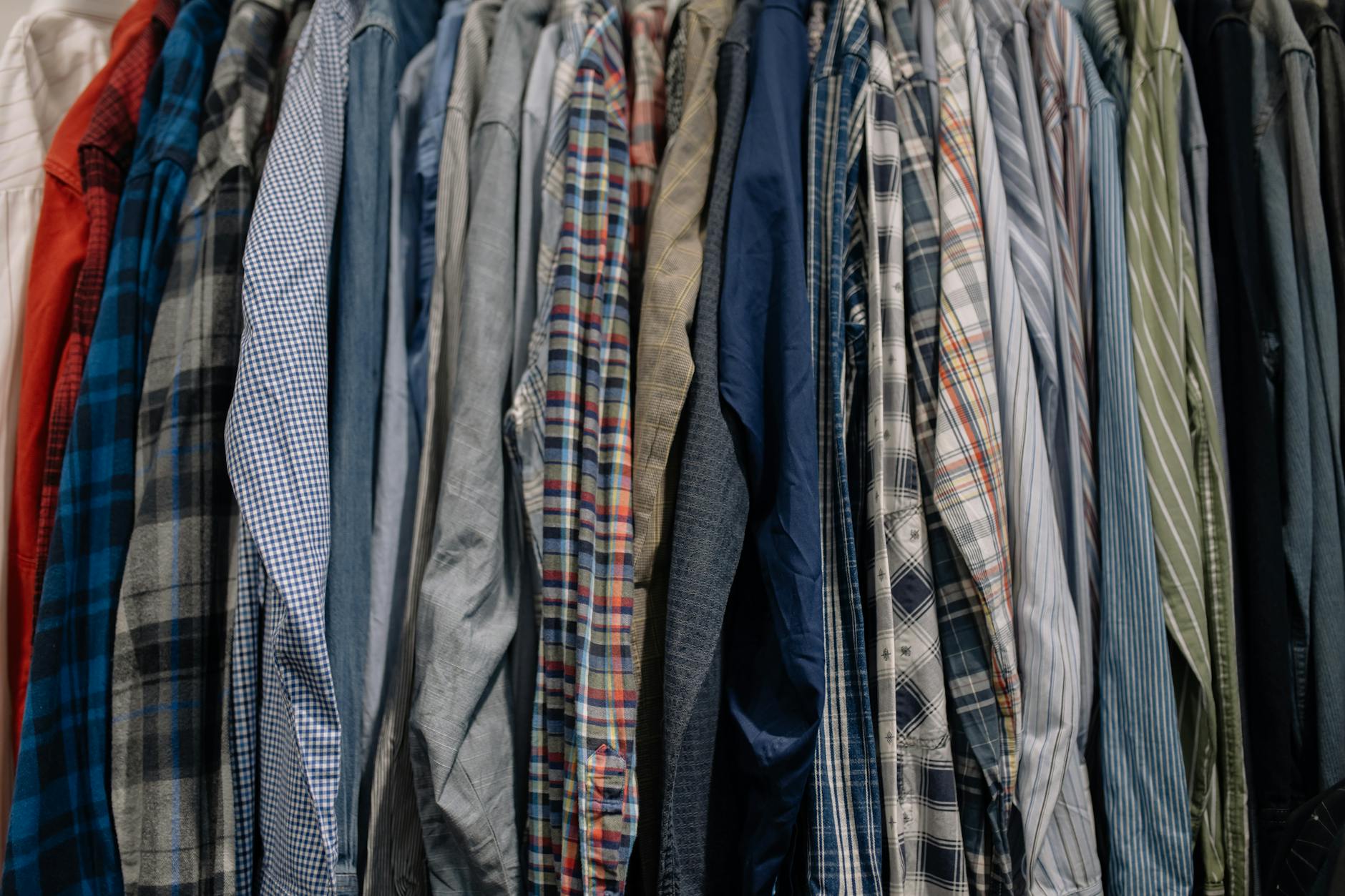
Shirts and clothes are the backbone of the promotional products industry. Whether you’re a marketing agency briefing a campaign wardrobe, a reseller building out a client’s merchandise range, or a business looking to outfit your team in consistent branded apparel, the decisions you make around custom shirts and clothing will significantly impact your brand’s visibility, budget, and overall impression. But with so many product types, decoration methods, and suppliers to navigate, it’s easy to feel overwhelmed before you’ve even placed a first order. This guide breaks it all down — from choosing the right styles and fabrics to understanding how to find reliable Australian suppliers for shirts and clothes that actually deliver.
Why Branded Shirts and Clothes Remain the Gold Standard in Promotional Products
There’s a reason custom apparel consistently ranks as one of the highest-performing categories in promotional merchandise. Branded shirts and clothes are worn repeatedly, travel with the wearer, and generate ongoing impressions in a way that a branded pen or flyer simply cannot. A well-made t-shirt with a clean logo print can be seen by dozens of people every single day — at the gym, on public transport, at the local shops.
For businesses operating across Australian capital cities like Sydney, Melbourne, and Brisbane, where foot traffic and public visibility are high, wearable branding offers exceptional return on investment. Even for regional operations in places like Townsville or Geelong, a consistent team wardrobe builds professionalism and trust with clients.
For resellers and marketing agencies, apparel is also one of the most repeatable product categories. Once a client experiences quality branded shirts, they tend to reorder — often expanding into polos, hoodies, and workwear over time.
Understanding the Key Categories of Shirts and Clothes for Branding
Before you can source effectively, it helps to understand the key garment types you’ll encounter when ordering branded shirts and clothes in Australia.
T-Shirts
The classic promotional staple. T-shirts are cost-effective, widely available in large size runs, and compatible with almost every decoration method. They’re a natural choice for events, giveaways, fundraisers, and staff uniforms. For a detailed breakdown of options, our guide to custom t-shirts and polo shirts is an excellent starting point.
Polo Shirts
Step up from a standard tee, and the polo shirt becomes a go-to for corporate teams, retail staff, tradies, and anyone needing a slightly more formal workwear look. Polos are typically made from piqué cotton or moisture-wicking polyester blends, making them practical for long shifts. Embroidery is the most common decoration method for polos due to its durability and premium appearance. If you’re sourcing workwear specifically, our comprehensive resource on workwear polo shirts covers supplier options and practical ordering advice in detail.
Hoodies and Sweatshirts
Highly popular for school leavers, sporting clubs, university O-week merchandise, and tech company branded gear. Hoodies offer a large printable surface and are sought-after items that recipients genuinely keep and wear. A Gold Coast surf school, for instance, might order a run of 150 zip-up hoodies each summer season for staff and guests.
Hi-Vis and Workwear
Essential for construction, mining, warehousing, and outdoor industries. Hi-vis shirts and workwear need to meet Australian safety standards (AS/NZS 4602.1), so supplier knowledge here is critical. Western Australia and Queensland have particularly high demand in this category given the volume of mining and construction activity in those states.
Caps and Hats
While not technically shirts, branded headwear is almost always sourced alongside apparel. If you’re adding hats to a branded clothing range, our guide to personalised bucket hats is worth reviewing alongside your main apparel sourcing process.
Decoration Methods for Shirts and Clothes: Which One Suits Your Order?
Choosing the right decoration method is just as important as choosing the right garment. The wrong pairing can result in cracking prints, faded logos, or designs that simply don’t translate well to fabric.
Screen Printing
The industry workhorse for t-shirt decoration. Screen printing delivers vibrant, durable results at low per-unit cost — once setup fees are covered. It’s best suited to orders of 24+ units with consistent designs across all garments. Each colour in the design requires a separate screen, which means highly detailed or photographic artwork can become expensive.
Embroidery
The preferred choice for corporate polos, workwear, and uniforms. Embroidery creates a professional, tactile finish that holds up beautifully through repeated washing. It does have limitations — highly detailed logos with fine lines or gradients don’t translate well to thread. Suppliers will typically digitise your artwork into an embroidery file (a one-off setup cost) before production begins.
Sublimation Printing
Sublimation is ideal for polyester garments, allowing full-colour, all-over prints without the texture or cracking associated with other methods. It’s commonly used for sports jerseys, performance wear, and fashion-forward merchandise. The main constraint is that it only works effectively on white or very light-coloured polyester fabrics.
Heat Transfer and Direct-to-Garment (DTG)
Heat transfer suits small runs and personalised items — think individual name prints or limited-edition event garments. DTG printing works similarly to an inkjet printer applied directly to fabric and is well-suited to complex or photographic artwork in low quantities. Both methods work on cotton, making them flexible for mixed-colour garment orders.
How to Find the Right Suppliers for Shirts and Clothes in Australia
Sourcing quality branded shirts and clothes in Australia requires careful supplier vetting. For resellers and agencies managing multiple clients, your supplier relationships are genuinely one of your most valuable business assets.
What to Look for in an Apparel Supplier
When assessing suppliers, consider these critical factors:
- Product range depth — Do they stock multiple garment brands, fits, and colour options, or are they limited to one or two styles?
- Decoration capability — Can they handle embroidery, screen printing, and DTG in-house, or are they outsourcing each method to different printers?
- Minimum order quantities (MOQs) — Many screen printing suppliers require a minimum of 12–24 units per design. Some embroidery suppliers will work with as few as 6 pieces for smaller corporate clients.
- Turnaround times — Standard production for branded apparel in Australia is typically 7–15 business days after artwork approval. Rush services are available but attract a premium.
- Artwork support — Do they offer a dedicated art team to help with artwork preparation, or are you expected to provide print-ready files?
- Samples — Reputable suppliers will offer pre-production samples or stock samples so you can assess garment quality before committing to a full run.
Domestic vs. Offshore Production
Some Australian resellers source garments offshore for significant cost savings — particularly for large volume orders exceeding 500–1,000 units. However, offshore production typically requires lead times of 4–8 weeks, which isn’t always viable for time-sensitive campaigns. For most standard corporate and promotional orders, working with Australian-based decorators using imported blank garments strikes the best balance of cost, speed, and quality assurance.
Budgeting for Branded Shirts and Clothes Orders
Budget conversations are often where promotional apparel projects stall. Setting realistic expectations — both internally and with clients — from the outset saves significant time and avoids scope creep.
Here’s a general indicative guide for 2026 pricing:
- Basic promotional t-shirts (screen printed, 1 colour, 50 units): $10–$18 per unit
- Quality cotton tees (screen printed, 2–3 colours, 100 units): $15–$25 per unit
- Corporate polo shirts (embroidered logo, 50 units): $28–$55 per unit depending on fabric and embroidery complexity
- Hi-vis shirts (embroidered, AS/NZS compliant, 25 units): $35–$65 per unit
Setup fees (screens, digitisation, or die charges) are typically charged once per order and can range from $30 to $150 depending on complexity. Always factor these into your cost-per-unit calculation when presenting pricing to clients.
Rounding Out Your Branded Merchandise Mix
Shirts and clothes rarely ship in isolation from a broader merchandise campaign. Clients who order branded apparel often simultaneously need a range of complementary products. Building out a full merchandise suite alongside branded clothing helps resellers and agencies add value and increase average order size.
Popular companion products to consider alongside branded apparel include custom tote bags, personalised drink bottles, reusable coffee cups, and shoppers bags — all high-utility items that pair naturally with branded clothing for events, onboarding kits, and trade show activations.
If you’re working with a client building a full event kit, you might also look at personalised shopper bags for conference attendees, or portable phone charger banks as a premium add-on to a corporate apparel bundle. For recognition and awards contexts, laser-engraved products can complement a uniform rollout beautifully.
Key Takeaways
Navigating the world of branded shirts and clothes in Australia doesn’t need to be complicated — but it does reward preparation, supplier knowledge, and a clear understanding of your client’s needs before you go to market.
Here are the most important points to keep in mind:
- Match the garment to the purpose — a high-vis workwear shirt and a promotional event tee have completely different sourcing paths, standards, and price points.
- Choose the right decoration method — embroidery for longevity and corporate polish, screen printing for volume and colour impact, sublimation for all-over prints on polyester.
- Vet your suppliers carefully — ask about MOQs, turnaround times, artwork support, and whether they can provide samples before committing to a full production run.
- Build accurate budgets early — include setup fees, GST, and freight in every quote to avoid surprises at invoice stage.
- Think beyond the shirt — complement your branded shirts and clothes with related products like bags, drinkware, and tech accessories to build a stronger client offering and increase order value.