
How to Source Personalised Marathon Distance Markers With Brand Placement in Australia
Discover how to source personalised marathon distance markers with brand placement for Australian events — tips on suppliers, decoration, and budgeting.

Written by
Mei-Lin Ho
Event Merchandise
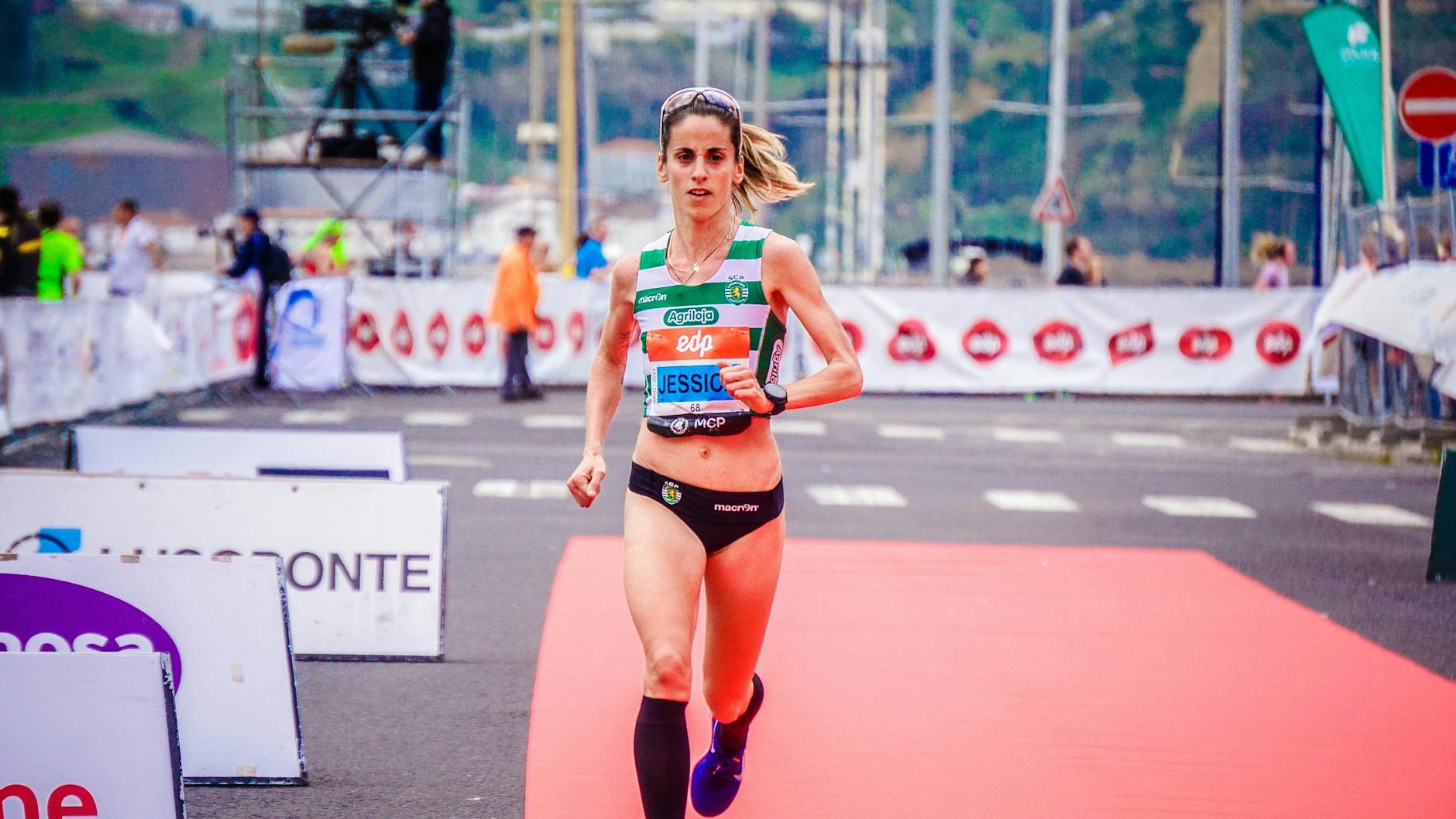
Running events are bigger business than ever across Australia. From the Sydney Running Festival to the Melbourne Marathon, the Gold Coast Airport Marathon to community fun runs in Canberra and Hobart, hundreds of thousands of participants line up every year expecting a polished, professional experience. One often-overlooked element of that experience — and one of the most powerful branding opportunities on the course — is the humble distance marker. Personalised marathon distance markers with brand placement do far more than tell runners how far they’ve come. Done well, they reinforce sponsor visibility, create memorable course aesthetics, and give your event a cohesive identity from the start line to the finish. This guide is designed for resellers, marketing agencies, and event organisers who want to understand exactly how to source, customise, and deploy branded distance markers for running events of any scale.
Why Personalised Marathon Distance Markers With Brand Placement Matter
It’s easy to focus your branded merchandise budget on participant bags, medals, and event t-shirts. These are high-visibility items that participants take home, and they absolutely deserve investment. But the items that participants interact with during the race are equally important — and far less crowded from a branding perspective.
Distance markers are seen by every single runner on course, often multiple times. Supporters and photographers cluster near them. Drone and broadcast footage frequently captures them. For sponsors looking to justify their investment in a running event, having their logo prominently positioned on kilometre or mile markers is a compelling proposition. For event organisers, professional-grade markers signal quality, care, and attention to detail.
When you brief a supplier on personalised marathon distance markers with brand placement, you’re essentially commissioning a product that serves three simultaneous purposes: functional wayfinding, sponsor activation, and event branding. That’s an impressive return on a relatively modest investment.
The Difference Between Generic and Custom Markers
Generic distance markers — the kind printed on basic corflute or foam board — do the job, but they miss the opportunity. Custom markers, by contrast, can incorporate:
- Pantone-matched brand colours to align with event identity
- Sponsor logos positioned prominently within the design
- Event-specific typography and graphic elements
- QR codes linking to live tracking or sponsor landing pages
- Motivational messaging to energise runners at key distance points
The upgrade from generic to fully personalised isn’t as expensive as many event organisers assume, particularly when ordering in volume across a full marathon course (which typically requires around 42 markers for a full marathon, plus additional signage for aid stations and directional purposes).
Understanding Product Options for Custom Distance Markers
Before approaching a supplier, it helps to understand the range of materials and formats available. The right choice depends on your event format, budget, venue requirements, and how you intend to store and reuse the markers season to season.
Corflute and Foamboard
Corrugated plastic (corflute) and foam board are the most commonly used materials for outdoor signage in Australia. They’re lightweight, cost-effective, and straightforward to print on using digital printing processes. For a single-use event, these options offer excellent value, with full-colour printing achievable at low minimum order quantities.
However, they’re not particularly robust in adverse weather conditions. If your event runs through a Darwin wet season or a Hobart winter, you’ll want to consider lamination options or alternative materials.
PVC and Vinyl Banners
Vinyl banners offer greater durability and can be designed to attach to fencing, barricades, or custom-fabricated stands. They’re ideal for high-traffic areas like the finish chute or major kilometre milestones (the 10km, 21km, and 42km marks tend to attract the most photography). Full-colour digital printing with UV-resistant inks means your branding stays vivid even after extended outdoor exposure.
Banner-format markers work particularly well for major sponsor placement, as they offer a larger canvas. Consider sublimation on custom bags Australia as a parallel reference point — the same vibrant, dye-based printing process can be applied to fabric banners for a premium finish.
Rigid Signage and Aluminium Composite
For events that run annually and want to invest in reusable, high-quality markers, aluminium composite board (commonly known as Dibond) is worth the premium. It’s weather-resistant, maintains its shape, and can be digitally printed or fitted with applied vinyl graphics. The upfront cost is higher, but the per-use cost over multiple seasons is significantly lower.
Inflatable and 3D Markers
For flagship events with larger budgets, inflatable distance arches or 3D sculptural markers create genuinely memorable course moments. These are typically custom fabricated and require longer lead times, but the visual impact — especially at social media hotspots like the halfway mark — can be substantial.
Decoration Methods and Brand Placement Considerations
The decoration method you choose affects both the visual quality of your branding and the practical performance of the marker in the field. Understanding your options helps you ask better questions when briefing suppliers.
Digital Printing
Full-colour digital printing is the most common method for flat signage and banners. It supports complex gradients, photographic imagery, and intricate logo details without additional setup costs per colour. This makes it ideal for markers that incorporate multiple sponsor logos alongside event branding — a common scenario for larger events.
Turnaround times for digitally printed signage in Australia typically range from 5 to 15 business days depending on the supplier and quantity. If you’re working with a reseller model, factor in time for proof approval. Always request a digital proof before approving a full production run.
Screen Printing
Screen printing is well-suited to simpler designs with fewer colours, particularly on fabric banners or branded apparel associated with the event. For distance markers specifically, it’s less commonly used than digital printing, but it’s worth knowing if your marker design uses flat spot colours that align with PMS references.
For more on how these methods compare across different product types, our guide to heat transfer services for promotional products in Brisbane explores the nuances of decoration choices for event merchandise.
Brand Placement Layout
When designing custom distance markers, brand placement needs to be deliberate. Best practice includes:
- Primary event branding at the top of the marker (most legible as runners approach)
- Distance numeral large and centre-aligned for immediate readability
- Principal sponsor logo beneath the numeral or positioned on a contrasting colour block
- Secondary sponsors or partners at the base, with appropriate size hierarchy
Ensure your artwork files are supplied at the correct resolution (typically 100–150 DPI at final print size for large format) and in editable formats like AI, EPS, or high-resolution PDF. Most professional signage suppliers will have an artwork brief template they can send on request.
Sourcing Suppliers: What to Look for in Australia
Finding the right supplier for personalised marathon distance markers with brand placement requires a different lens than sourcing typical promotional merchandise. You need a supplier or print partner with genuine large-format printing capabilities, experience in event signage, and the capacity to manage a project involving multiple SKUs across a full course setup.
Questions to Ask Potential Suppliers
When evaluating suppliers — whether directly or through your reseller network — ask:
- What’s the minimum order quantity? For event signage, MOQs vary widely. Digital printing on corflute often has low MOQs (sometimes as few as 10–20 units), while custom fabricated products may require larger runs.
- Can you supply a physical sample before full production? For a high-profile event, this is non-negotiable.
- What file formats do you accept? Confirm compatibility with your designer’s output.
- Do you offer installation or rigging support? Some suppliers offer turnkey solutions for large events.
- Can you accommodate multi-sponsor design layouts? Sponsorship hierarchies can be complex; experienced suppliers will have managed this before.
For resellers managing event merchandise accounts, building a reliable supplier panel is essential. This pairs well with understanding raw material cost impacts on promotional product pricing when putting together event merchandise quotes for clients.
Turnaround and Lead Time Planning
Most Australian events have firm venue setup deadlines. Work backwards from your event date to establish a realistic production and delivery timeline. A general framework:
- Artwork finalised: 6–8 weeks before event
- Proof approval: 5–6 weeks before event
- Production: 3–4 weeks
- Delivery and QC: 1–2 weeks before event
Build in contingency for artwork revisions, particularly when multiple sponsors are involved and each has their own brand guidelines to satisfy.
Integrating Distance Markers Into Your Broader Event Merchandise Strategy
Personalised marathon distance markers are most effective when they’re part of a cohesive event branding suite. Consider how the marker design aligns with:
- Participant race bibs and timing chips
- Custom event t-shirts and finisher medals — for apparel ideas, our overview of unique promotional products in Australia covers creative options worth exploring
- Event bags and hydration accessories — particularly relevant if sponsors are providing branded drinkware or nutrition products on course
- Volunteer and crew apparel — promotional hi-vis vests for construction companies offers relevant insight into functional workwear printing that translates well to event crew uniforms
- Sponsor activation items at aid stations and recovery zones
Speaking of participant gifts, consider complementary branded merchandise like personalised fitness trackers for corporate gifts in Australia for VIP entrant packs, or branded waterproof phone pouches — which you can explore via our overview of promotional branded waterproof phone pouches for water sports — for participants tackling beach or coastal run formats.
For agencies managing multi-state events with participants receiving merchandise at different locations, multi-location printing options for branded apparel is worth reviewing for logistical efficiency.
Sustainability Considerations
Australian event sponsors and organisers are increasingly conscious of the environmental footprint of events. If your client base skews toward sustainability-focused brands, consider offering eco-certified materials for event signage — recycled substrates, water-based inks, and designs that facilitate reuse across multiple event seasons. This mirrors broader trends we’ve covered around organic cotton promotional items for eco-conscious brands and eco-friendly stationery in Perth.
Conclusion: Key Takeaways
Personalised marathon distance markers with brand placement are a smart, underutilised investment in the Australian event merchandise space. Here’s what to keep in mind as you move from brief to production:
- Choose your material based on event conditions and reuse intentions — corflute for single-use budget events, aluminium composite for premium recurring events.
- Prioritise legibility in your design — the distance numeral must be readable at pace; brand elements should complement, not compete with, functional information.
- Plan your production timeline carefully — aim to have artwork finalised at least six weeks before event day, especially when multiple sponsors are involved.
- Source suppliers with demonstrated large-format and event signage experience — general promo product suppliers may not have the technical capability or capacity for full course setups.
- Integrate markers into a broader branded merchandise strategy — cohesion across all event touchpoints, from the course to the finish line bag, creates the professional impression that sponsors and participants remember.
Whether you’re a reseller building out your event merchandise offering, a marketing agency managing a major running festival, or an event organiser looking to elevate your course experience, the investment in properly branded distance markers pays dividends in sponsor satisfaction, participant experience, and event identity. Get the brief right, find the right supplier, and your course will look as professional as the event deserves.