
Custom Hoodies Australia No Minimum: What You Need to Know Before Ordering
Exploring no minimum custom hoodies in Australia? Learn what to expect on pricing, suppliers, print methods & turnaround before placing your order.

Written by
Ryan Gallagher
Custom Apparel
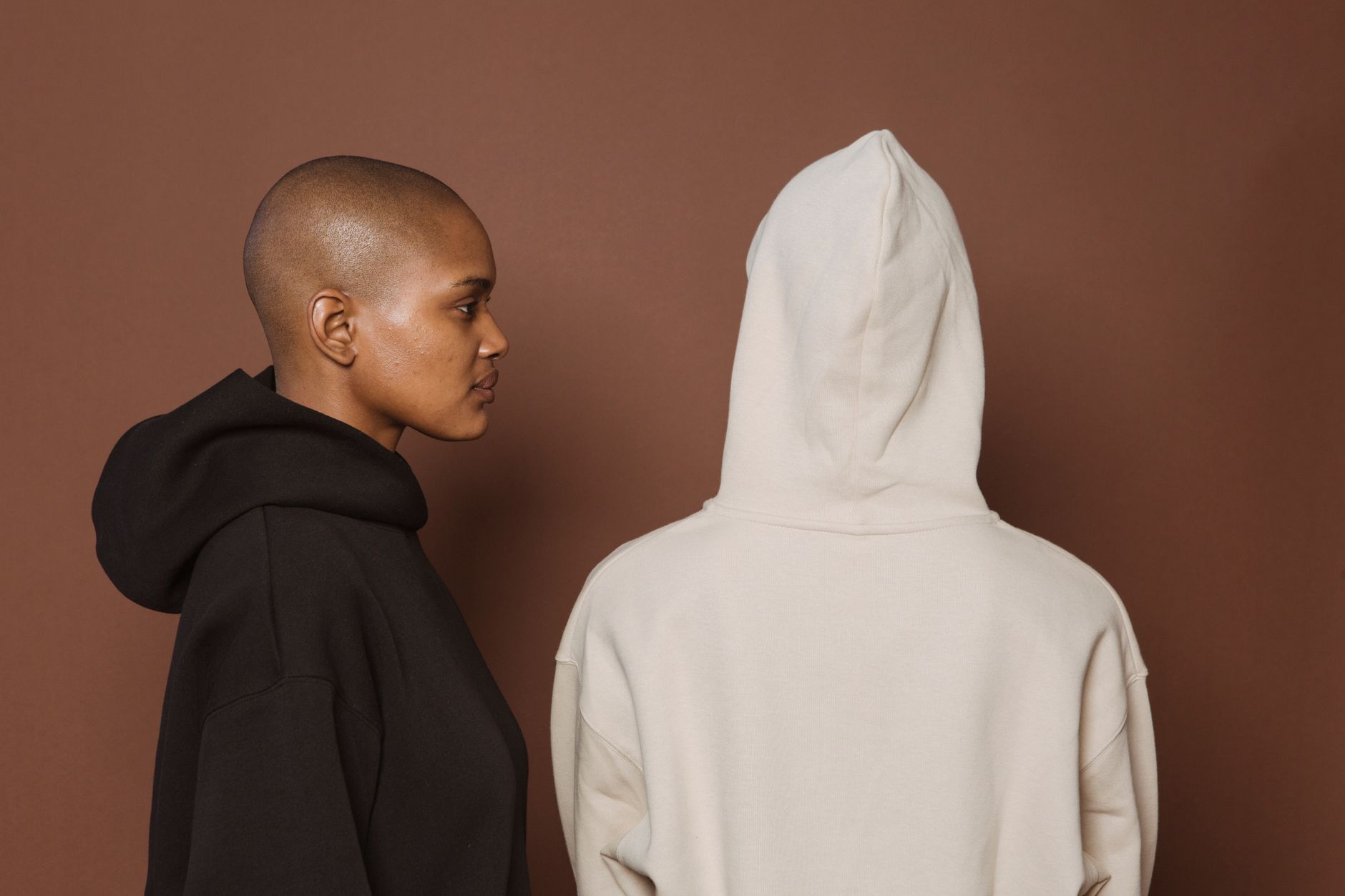
Finding a supplier who offers custom hoodies in Australia with no minimum order quantity sounds like the perfect solution — until you dig into the details and realise the trade-offs involved. Whether you’re a marketing agency sourcing a small run of branded hoodies for a client launch, a reseller testing a new product line, or a business that just needs a handful of custom pieces for a team event, the promise of “no minimum” is undeniably appealing. But understanding what that actually means in practice — and whether it’s truly the right path for your needs — can save you a significant amount of time, money, and frustration.
What Does “No Minimum” Actually Mean for Custom Hoodies?
The term “no minimum” gets used loosely in the promotional products space, and it’s worth unpacking before you commit to a supplier or decoration method. In most cases, a true no minimum offering means you can order as few as one item — a single custom hoodie with your logo or design printed or embroidered on it.
However, what suppliers often don’t make immediately clear is that this flexibility comes with different pricing structures, production timelines, and decoration method limitations compared to a standard bulk order. A Brisbane marketing agency ordering three branded hoodies for a product launch will experience a very different cost-per-unit compared to a Melbourne-based business ordering 150 pieces.
The Real Cost of Low Quantity Orders
Setup fees are where no-minimum orders often become expensive. Screen printing, for example, involves creating screens for each colour in your design — a process that can cost anywhere from $50 to $150+ per colour. That setup cost spread across 10 hoodies adds significantly to your unit price. For very small runs, decoration methods like direct-to-garment (DTG) printing, heat transfer, or digital printing typically make more economic sense because there are no screen setup fees involved.
Embroidery on hoodies carries a digitising fee — usually a one-time cost to convert your artwork into an embroidery file — which is typically $50 to $80. Once you’ve paid this, subsequent orders are more cost-effective, but on a single-unit order, it remains a notable additional charge.
Understanding these distinctions upfront helps resellers and marketing agencies set realistic expectations with clients before jumping straight to a “no minimum” solution.
Decoration Methods Suited to Small Runs and No Minimum Orders
Not all decoration methods are created equal when it comes to small-quantity custom hoodies. Choosing the right one can dramatically affect both cost and quality outcomes.
Direct-to-Garment (DTG) Printing
DTG printing is arguably the most accessible decoration method for no-minimum hoodie orders. It works similarly to an inkjet printer, applying ink directly to the fabric without the need for screens or films. The result is full-colour designs with excellent detail — ideal for complex logos, photographic imagery, or designs with gradients.
The limitation with DTG is fabric composition. It works best on 100% cotton or high-cotton blends. Many popular hoodie styles in Australia use cotton/polyester blends, so it’s worth confirming compatibility with your supplier before proceeding.
Heat Transfer and Vinyl
Heat transfer is another decoration method commonly available for small runs and single-unit orders. Vinyl transfers offer a clean, professional look and are particularly well-suited to simple designs with solid colours. For resellers and agencies working with clients who need quick turnarounds, heat transfer can be produced and applied relatively quickly compared to screen printing or embroidery.
Embroidery
Embroidery adds a premium, tactile quality to custom hoodies and is highly durable over time. While it carries that initial digitising fee, it’s a popular choice for corporate clients, schools, and organisations where brand longevity on the garment matters. An Adelaide sporting club or a Sydney private school ordering five hoodies for team leadership might happily absorb the digitising cost for the polished result embroidery delivers.
For a deeper look at which decoration method suits different garment types and client needs, our guide to choosing between screen printing and embroidery for branded apparel is a useful starting point.
Supplier Considerations for No Minimum Custom Hoodies in Australia
When sourcing custom hoodies with no minimum in Australia, you’ll generally encounter two types of suppliers: print-on-demand platforms and traditional promotional product suppliers who offer low-minimum options.
Print-on-Demand Platforms
Print-on-demand (POD) services allow you to upload a design, select a product, and have individual items produced and sometimes shipped directly to the end recipient. This model is particularly appealing for resellers who want to test designs without holding stock, or for businesses running employee reward programmes where individual names or details are personalised on each item.
The trade-off is typically a higher cost-per-unit, less control over garment quality and brand selection, and longer lead times when orders come in one at a time. POD platforms are rarely the best choice for time-sensitive campaigns or high-quality branded merchandise where fabric weight and finish matter.
Traditional Suppliers with Low MOQs
Many established promotional product suppliers in Australia will accommodate small runs — sometimes as low as six to twelve pieces — particularly for hoodies using embroidery or heat transfer. While not technically “no minimum,” these low-MOQ options often deliver better value and quality consistency than true single-unit print-on-demand services.
If you’re a marketing agency or reseller regularly sourcing branded apparel across multiple clients, building a relationship with a reliable supplier who can accommodate varied order quantities will serve you far better in the long run than hunting for a different no-minimum provider each time.
For businesses managing branded merchandise across multiple office locations or retail sites, it’s also worth exploring how multi-location printing works for branded apparel orders to understand fulfilment options that scale efficiently.
Artwork and File Requirements for Small Hoodie Runs
Regardless of whether you’re ordering one hoodie or one hundred, getting your artwork right before you engage a supplier is critical. Poor artwork leads to delays, reprints, and added costs — none of which are welcome in a small-quantity order where margins are already tighter.
What Suppliers Need
For embroidery, suppliers need vector files (AI, EPS, or high-resolution PDF) to digitise your design accurately. For DTG and heat transfer, a high-resolution PNG with a transparent background (300 DPI minimum) is typically required.
If you’re a reseller managing artwork on behalf of clients, developing a simple artwork submission checklist will save considerable back-and-forth time. Confirm PMS colour references where brand colour accuracy matters, and always request a digital proof before production begins — even for single-unit orders.
Turnaround Times: What’s Realistic?
For no-minimum custom hoodies in Australia, turnaround times vary considerably depending on the supplier and decoration method. In general:
- DTG and heat transfer orders can often be produced and dispatched within five to ten business days for small quantities
- Embroidery typically requires seven to fourteen business days including digitising time for new artwork
- Screen printing for small runs is less common but where offered, expect ten to fifteen business days
If you’re working with clients in Perth, Darwin, or Hobart where freight adds transit time, factor this into your overall project timeline. Rush services are available from some suppliers but often attract premium charges — particularly for no-minimum or small-run orders.
Budget Benchmarking for Small Quantity Custom Hoodies
To give resellers and businesses a realistic sense of cost, here’s a broad benchmark for custom hoodies with no minimum in Australia as of 2026:
- Single hoodie with DTG print: $60–$120+ depending on garment quality and print complexity
- Single hoodie with embroidery (including digitising): $80–$150+
- Small run of 6–12 hoodies with embroidery (post-digitising): $35–$65 per unit
- Small run of 6–12 hoodies with heat transfer: $40–$75 per unit
These are indicative ranges only — garment quality, brand, design complexity, and geographic delivery all influence final pricing. Always request itemised quotes and clarify whether GST is included.
For agencies and resellers building client quotes, it’s worth understanding how promotional product pricing structures work across different categories. Our resources on branded emergency roadside kits for insurance company gifts and branded ear plugs for electrical contractors offer practical examples of how per-unit costs and setup fees are structured across different product types — principles that translate directly to apparel ordering.
Is No Minimum the Right Choice for Your Project?
Before committing to a no-minimum option for custom hoodies, it’s worth asking a few practical questions:
- Is this a one-off or ongoing need? If you anticipate needing more hoodies in the next six to twelve months, a small bulk order now is almost always more cost-effective than multiple no-minimum orders.
- Does garment quality matter to your client? POD hoodies often use mid-range blank garments. If your client has specific expectations around fabric weight, fit, or brand, a traditional supplier will offer more options.
- Is the timeline realistic? No-minimum doesn’t mean instant. Confirm production and freight timelines before promising a delivery date to a client.
- Have you accounted for all costs? Digitising fees, setup fees, freight, and GST can all add up significantly on small orders.
Conclusion: Key Takeaways
Navigating the world of custom hoodies in Australia with no minimum order requirements doesn’t have to be complicated, but it does require informed decision-making — especially for resellers and marketing agencies managing client expectations and budgets.
Here are the key things to keep in mind:
- “No minimum” almost always means higher per-unit costs — setup fees, digitising charges, and premium POD pricing make small runs significantly more expensive per piece than bulk orders
- Decoration method matters — DTG and heat transfer are best suited to true no-minimum runs; embroidery suits low-minimum orders where quality and longevity are priorities
- Artwork preparation is non-negotiable — even for a single hoodie, correct file formats and resolution save time and prevent costly errors
- Realistic turnaround times are essential — factor in production plus freight, especially for clients in regional or interstate locations
- Low-MOQ traditional suppliers often offer better value than true no-minimum print-on-demand for anything beyond a single unit — building supplier relationships pays dividends over time
With the right approach and a clear brief, sourcing custom hoodies in Australia with no minimum or low minimum quantities is absolutely achievable — it’s simply a matter of knowing what you’re working with before you begin.