
Chocolate Coins as Promotional Products: A Complete Sourcing Guide for Australian Businesses
Discover how to source branded chocolate coins for promotions, events, and gifting in Australia — plus tips on suppliers, MOQs, and customisation.

Written by
Ryan Gallagher
Custom Apparel
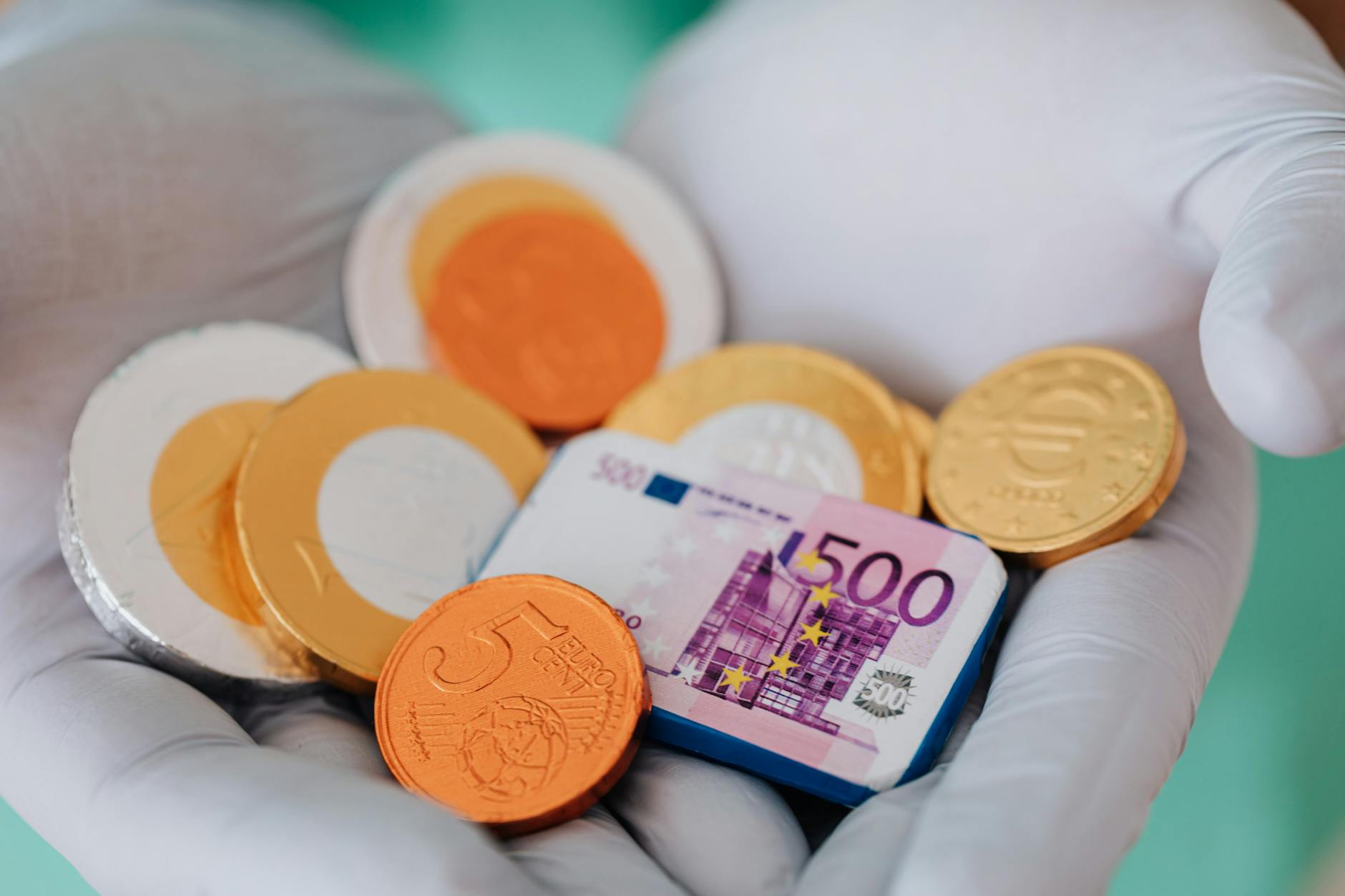
Few promotional products generate as much instant delight as a branded chocolate coin. Whether they’re tumbling out of a goody bag at a trade show in Melbourne, sitting alongside corporate Christmas hampers in Sydney, or landing on the desks of school fundraising volunteers in Brisbane — chocolate coins have a way of cutting through the noise in a way that a branded pen simply cannot. For resellers, marketing agencies, and businesses looking to source custom food products that genuinely engage their audience, chocolate coins represent a surprisingly versatile and cost-effective option. This guide covers everything you need to know: from finding the right Australian suppliers, to understanding customisation options, MOQs, lead times, and the best use cases across different industries.
Why Chocolate Coins Work So Well as Promotional Products
There’s a psychological reason branded chocolate works so effectively as a promotional item. Food creates an emotional response — it engages the senses, triggers positive associations, and builds memory. When your logo or message is printed on the foil wrapping of a chocolate coin, recipients aren’t just passively receiving branded merchandise — they’re having a tangible, enjoyable experience with your brand.
Chocolate coins in particular have broad demographic appeal. They’re associated with celebration, reward, and fun — without being age-specific. A financial services firm in Sydney can use them as a clever metaphor for wealth and investment. A retail chain in Perth can hand them out during a loyalty promotion. A charity in Adelaide can package them into donor appreciation kits. The symbolism of a “coin” also lends itself beautifully to industries like banking, insurance, gaming, real estate, and hospitality.
Beyond the novelty factor, chocolate coins are remarkably practical as a promotional product. They’re lightweight, compact, easy to distribute in bulk, and generally safe for most dietary considerations (though always worth checking for allergen and halal/kosher certification requirements depending on your audience). They store well at ambient room temperature, making them easy to manage in warehouses and freight scenarios.
Understanding Customisation Options for Chocolate Coins
When sourcing chocolate coins through Australian promotional product suppliers, you’ll encounter several distinct customisation tiers — and understanding these will help you advise clients or spec your order correctly.
Foil Wrapping with Custom Printing
The most common customisation method involves printing your logo, design, or message directly onto the foil or paper wrapper. Suppliers typically offer full-colour digital printing on the wrapper, which means there’s no limitation on the number of colours in your design. This is ideal for brands with complex logos, multi-colour artwork, or photographic elements.
Some suppliers offer double-sided printing on wrappers, which allows for additional messaging — useful for promotions where you might want a call to action, QR code, or event details on the reverse side.
Embossed Chocolate Face
A more premium option involves custom embossing on the chocolate face itself — meaning your logo or design is pressed directly into the chocolate mould, so it appears on the surface of the coin when unwrapped. This creates a significantly more premium feel and is particularly popular for corporate gifting, product launches, and high-value client presentations. The tooling cost for custom moulds is higher, and MOQs tend to be larger (typically 500–1,000 units at minimum), so it’s a better fit for longer-run or repeat campaigns.
Standard Stock Coins with Branded Packaging
For smaller budgets or tighter lead times, many suppliers offer stock chocolate coins (available in gold or silver foil in various sizes, typically ranging from 3g to 25g per coin) that can be repackaged into custom-branded nets, bags, tubes, or boxes. This approach keeps costs down while still delivering a branded experience through the packaging. A 100g net bag of gold foil chocolate coins inside a custom-printed box can look extremely premium at a fraction of the cost of full custom embossing.
Sourcing Chocolate Coins Through Australian Promotional Suppliers
Finding the right supplier is arguably the most important step in the process. The Australian promotional products market has several specialist food product suppliers who handle chocolate confectionery — and as a reseller or marketing agency, building relationships with two or three of these suppliers gives you the flexibility to match client needs across different price points and lead times.
What to Look for in a Chocolate Coin Supplier
When evaluating suppliers, prioritise those who can demonstrate:
- Food safety accreditation — suppliers should operate under HACCP (Hazard Analysis and Critical Control Points) or equivalent food safety systems
- Transparent allergen information — your clients will need to know if the product contains milk, nuts, gluten, or soy
- Flexible MOQs — some suppliers will start at 250 units, while others require 1,000 or more; know your client’s volume needs upfront
- Full-colour digital proofing — always request a printed or digital proof before approving a run
- Domestic stock vs. import lead times — locally stocked chocolate means faster turnaround (sometimes 5–7 business days), while imported custom products may need 4–8 weeks, especially from Chinese manufacturers
Import vs. Local Manufacture
Most Australian promotional chocolate coin suppliers source their product from European manufacturers (particularly Belgium and Germany, where high-quality milk chocolate coins are a long-established category) or from Chinese confectionery factories with established quality controls. European-origin chocolate generally commands a price premium but is associated with higher cocoa content and superior taste — a relevant consideration when the product is being gifted to premium clients.
For government agencies, healthcare organisations, and schools, always verify that the product has appropriate Australian customs and food import compliance in place, including FSANZ (Food Standards Australia New Zealand) labelling requirements.
Use Cases: Which Industries Order Chocolate Coins?
Chocolate coins are far more versatile than they might first appear. Here’s how different sectors typically use them across Australia.
Corporate and Financial Services
Banks, insurance companies, investment firms, and accounting practices love chocolate coins for the obvious metaphorical alignment with money. A Perth-based financial planning firm might distribute branded coin nets to clients during EOFY as a light-hearted gift. A Sydney mortgage broker could include them in settlement hampers alongside other custom items. Paired with something like a customised calendar or a custom coaster, they make for a polished and memorable desk gift set.
Events, Trade Shows, and Conferences
Chocolate coins are a perennial favourite for trade show giveaways. They’re small enough to sit in a bowl at an expo booth but impactful enough to be kept (and eaten, which means your foil wrapper gets handled multiple times before disposal). A Canberra-based government agency attending a national conference might order 2,000 individually wrapped coins with their department’s branding to distribute across two days.
Retail Promotions and Loyalty Campaigns
Retailers and hospitality groups often use chocolate coins as in-store giveaways tied to purchase thresholds, loyalty milestones, or seasonal events. Think a Melbourne café chain handing out branded coin nets to customers spending over a certain amount in December.
Schools and Education
Primary schools in particular love chocolate coin promotions for fundraising events, fetes, end-of-year celebrations, and reading reward programmes. The coins are affordable enough for school budgets, and the novelty factor works brilliantly with younger audiences. If your agency works with education clients, it’s worth knowing that chocolate coins pair well with other fun school merchandise — similar logic applies to products like a customised lunch box that resonates strongly in the school sector.
Christmas and Seasonal Campaigns
Christmas is by far the peak season for branded chocolate coins in Australia. From December corporate hampers to advent calendar inserts, the demand spikes dramatically in the September–November ordering window. Businesses running Christmas gifting campaigns should place orders no later than early October to account for production and freight timelines. If your clients are building full Christmas gift packs, it’s worth exploring complementary products like personalised Christmas baubles to round out the offering.
Budgeting and Pricing Guidance
Pricing for chocolate coins varies considerably based on customisation level, quantity, and product quality. As a general guide for the Australian market in 2026:
- Stock coins in branded nets/bags: $0.80–$2.50 per unit at 250–500 units
- Custom foil-wrapped coins (digital print): $1.20–$3.50 per unit at 500–1,000 units
- Premium embossed mould coins: $3.00–$6.00+ per unit at 1,000+ units
Setup fees typically range from $50–$200 depending on the complexity of the artwork and the supplier. Always factor in freight, particularly for temperature-sensitive shipments — some suppliers will include insulated packaging in warmer months to prevent melting during transit to Darwin, Brisbane, or other tropical and warm-climate locations.
For resellers building margins, chocolate coins offer reasonable markup potential, particularly when bundled into gift sets or corporate hamper packages that combine food products with branded merchandise like a portable phone charger or a branded t-shirt.
Practical Tips for Managing a Chocolate Coin Order
Whether you’re ordering on behalf of a client or sourcing for your own business, a few best practices will save headaches down the line:
- Check shelf life upfront — most promotional chocolate coins have a 6–12 month shelf life from manufacture; confirm this aligns with your distribution timeline
- Request pre-production samples — especially for embossed or fully custom designs, a physical sample approval is non-negotiable
- Plan for temperature management — avoid scheduling delivery in peak summer months if the recipient is in a region with extreme heat
- Confirm labelling compliance — all food products distributed commercially in Australia must comply with FSANZ labelling requirements, including allergen declarations and country of origin
- Order ahead of peak periods — Christmas, Easter, and major sporting events all create demand surges; lead times can blow out significantly if you’re late to the queue
Conclusion: Key Takeaways for Sourcing Branded Chocolate Coins
Chocolate coins are a deceptively simple product category that, when executed well, can deliver an outsized impact for corporate gifting, event marketing, retail promotions, and seasonal campaigns. For resellers and marketing agencies navigating the Australian supplier landscape, understanding the different customisation tiers, compliance requirements, and seasonal demand patterns is essential to delivering great outcomes for clients.
Here are the key takeaways to carry forward:
- Chocolate coins offer broad demographic appeal and work across sectors from financial services to primary schools, making them a flexible addition to your product toolkit
- Customisation ranges from budget-friendly foil wrappers to premium embossed moulds — match the approach to the client’s budget and brand standards
- Always verify food safety accreditation and FSANZ labelling compliance before placing an order, particularly for government and healthcare clients
- Peak season demand is real — Christmas campaigns should be locked in by early October at the latest to avoid stock shortages and freight delays
- Bundling chocolate coins with complementary branded products (stationery, apparel, lifestyle items) creates more impactful gift sets and stronger upsell opportunities for resellers