
Beach Towels Personalised: A Complete Guide for Australian Businesses and Resellers
Discover how to source personalised beach towels in Australia — decoration methods, MOQs, budgeting tips, and supplier advice for resellers and brands.

Written by
James Tran
Outdoor & Leisure
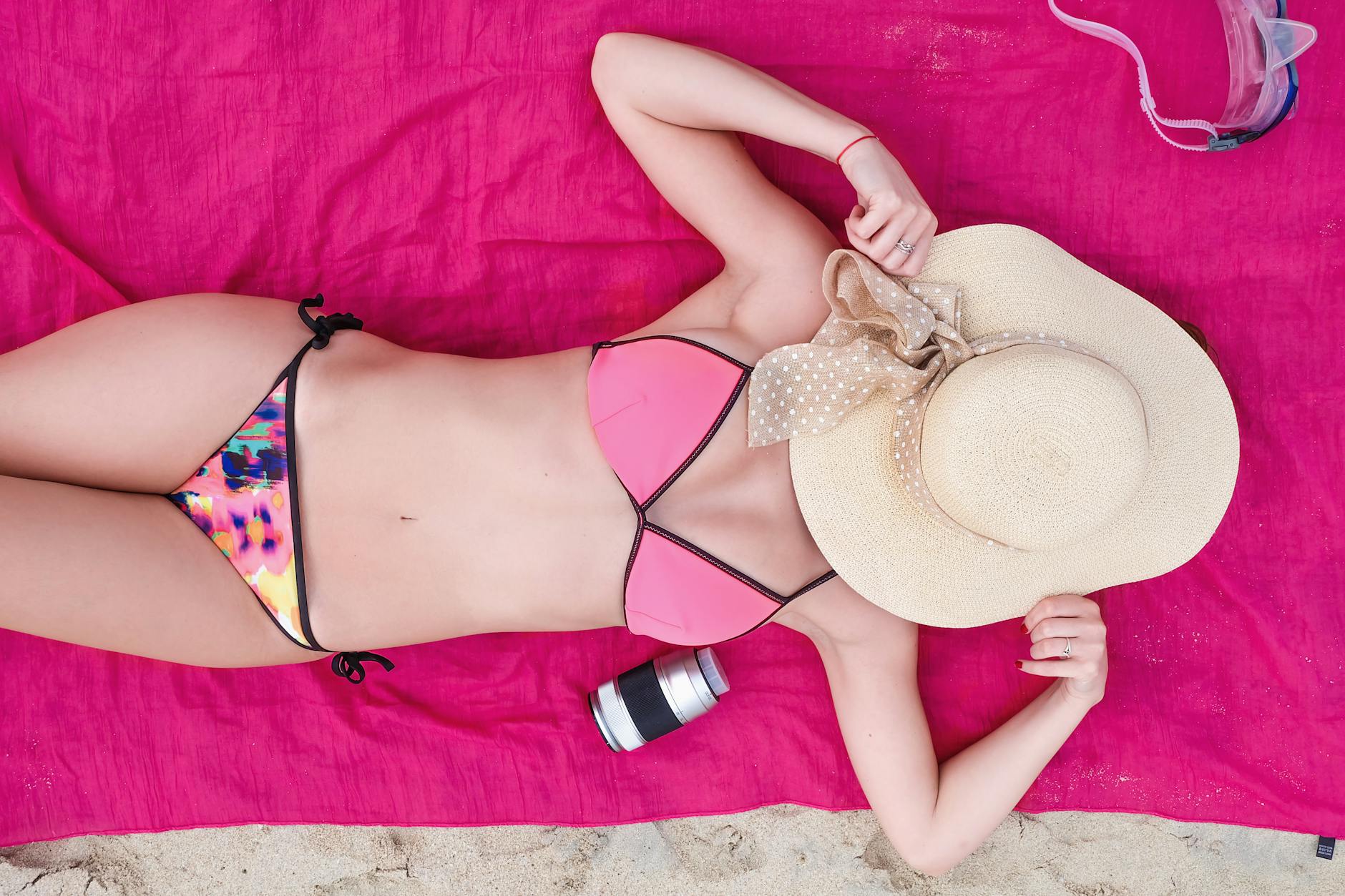
Personalised beach towels are one of those promotional products that genuinely get used — repeatedly, in public, and often in front of large crowds. Whether it’s a branded towel handed out at a Gold Coast surf competition, a corporate gift sent to clients in Perth, or a custom resort towel distributed at a Queensland tourism event, these products deliver exceptional visibility long after the initial handout. For Australian businesses, marketing agencies, and promotional product resellers, understanding how to source beach towels personalised with your client’s branding can mean the difference between a mediocre campaign and one that makes a real splash (pun intended). This guide covers everything you need to know — from decoration methods and minimum order quantities to product selection and supplier considerations.
Why Personalised Beach Towels Work as Promotional Products
Before diving into the sourcing specifics, it’s worth understanding why personalised beach towels punch above their weight in the promotional products world.
Firstly, they have extraordinary longevity. A quality beach towel can last several years with regular use, meaning your client’s brand is seen again and again across beaches, pools, gyms, and holiday destinations. Compare that to a branded pen that might run out after a few weeks — the towel wins hands down on impressions per dollar.
Secondly, beach towels are genuinely aspirational gifts. Recipients appreciate them. Unlike some promotional items that end up in the back of a drawer, a quality personalised towel is something people actually want. This emotional connection is powerful for brand perception.
Finally, they’re highly visible. Laid out on Bondi Beach, draped over a pool chair in Adelaide, or slung over a shoulder at a Brisbane triathlon, a well-designed branded towel is essentially a walking billboard in high-traffic, highly social settings.
For resellers and agencies, this means beach towels personalised with a client’s logo or artwork are an easy sell — particularly to clients in tourism, hospitality, fitness, sports, and lifestyle sectors.
Key Decoration Methods for Beach Towels Personalised
Not all decoration methods are created equal when it comes to towels. The material — typically cotton, microfibre, or a cotton-polyester blend — influences which methods work best and what the final result will look like. Here’s a breakdown of the most common approaches.
Sublimation Printing
Sublimation is arguably the most popular method for personalised beach towels, particularly for microfibre options. The process embeds dye directly into the fabric, producing vivid, full-colour prints with photographic detail. Sublimation is ideal when your client wants edge-to-edge designs, complex artwork, or gradients that simply can’t be achieved through other methods.
The main limitation is that sublimation works best on polyester or high-polyester-blend fabrics. Cotton towels don’t take sublimation as effectively, so if your client insists on 100% cotton, you’ll need to consider alternative methods. For resellers working with tourism operators or lifestyle brands wanting bold, eye-catching designs, sublimation on microfibre is often the go-to recommendation.
If you’re new to this process, our guide to sublimation printing for promotional products covers the technical requirements in detail.
Reactive Dyeing
For premium cotton beach towels, reactive dyeing is the gold standard. This method involves chemically bonding dye to cotton fibres, producing colours that are exceptionally vibrant, colourfast, and soft to the touch. Reactive-dyed towels maintain their colour through repeated washing, making them ideal for resort-grade branded products.
The trade-off is cost and lead time — reactive dyeing typically requires higher minimum order quantities (often 200+ units) and longer production timelines, sometimes four to six weeks from artwork approval. For resellers managing larger orders on behalf of hotel chains or resort operators, this method is well worth the investment.
Screen Printing
Screen printing can be applied to certain towel styles, particularly for simpler designs with limited colours. It’s more common on the woven border areas of towels or on flat-woven designs rather than on the looped terry-cloth surface. Results can vary depending on the towel’s texture, so it’s important to discuss suitability with your supplier before committing.
For a broader understanding of how screen printing compares to other methods, our overview of screen printing vs other decoration techniques is a useful reference.
Embroidery
Embroidery on beach towels is less common but can work well for smaller logo placements — think a discreet hotel crest in the corner or a club badge on a sports towel. The looped surface of terry-cloth towels can make embroidery more challenging, and the results work best with bold, simple designs rather than fine detail. Discuss this option with your decorator and always request a sample before proceeding with a full run.
Choosing the Right Towel for Your Client’s Brief
Beyond decoration, the physical product itself matters enormously. Here’s what resellers and marketers should consider when matching a towel to a brief.
Size and Weight
Standard beach towels typically measure around 75cm x 150cm, though premium options can reach 90cm x 180cm or larger. Weight is measured in GSM (grams per square metre) — a higher GSM generally indicates a thicker, more absorbent towel. For a premium corporate gift or resort product, aim for 400 GSM and above. Budget promotional towels may come in at 250–300 GSM, which is fine for high-volume giveaways but won’t feel as luxurious.
Microfibre vs Cotton
Microfibre towels are lighter, dry faster, and are more cost-effective — making them a popular choice for sports events, triathlons, and outdoor festivals. They also sublimate beautifully. Cotton towels feel more premium, are preferred by resort and hospitality clients, and tend to be more durable over time. Many suppliers now offer cotton-microfibre blends that aim to deliver the best of both worlds.
Specialty Formats
Sand-free towels have become increasingly popular in Australia’s beach culture, particularly in coastal cities like Sydney, Melbourne, and the Gold Coast. Round beach towels are another trend worth noting — they’ve become popular for lifestyle branding and social media-worthy product photography. For resellers looking to offer something a little different, these specialty formats can help clients stand out.
Our guide to outdoor promotional products for Australian events explores how beach towels fit within a broader outdoor merchandise strategy.
Minimum Order Quantities and Pricing Considerations
MOQs for beach towels personalised vary significantly depending on the supplier, decoration method, and product type.
For sublimated microfibre towels, MOQs can be as low as 25–50 units, making them accessible for smaller campaigns or boutique clients. Premium cotton towels with reactive dyeing typically require 100–300 units minimum, and sometimes more for custom weaves or jacquard designs.
Pricing per unit drops considerably with volume. As a rough guide:
- 25–50 units: Expect to pay $18–$35+ per towel depending on size, material, and print complexity
- 100–200 units: Pricing typically falls to $12–$22 per towel
- 500+ units: Premium towels can come down to $8–$15 per unit, with microfibre options potentially lower
These figures are indicative and will vary by supplier, decoration complexity, and current material costs. Always factor in setup fees (which can range from $50 to $200+ depending on the decoration method), freight, and any sampling costs when preparing client quotes.
For a deeper look at how to structure pricing for your clients, our guide to quoting promotional products as a reseller walks through the process step by step.
Turnaround Times and Lead Planning
One of the most common mistakes in promotional product projects is underestimating lead times. For beach towels personalised with custom artwork, you should generally allow:
- Standard production: 3–5 weeks from artwork approval
- Rush production: Some suppliers offer 1–2 week turnarounds for sublimated microfibre towels, often at a premium
- Freight: Add 2–5 business days for delivery across major Australian cities; longer for regional areas like Darwin or remote WA
If your client is ordering for a specific event — say, a corporate retreat on the Sunshine Coast or a charity swim in Hobart — build a buffer of at least two weeks beyond the production lead time. Artwork revisions, proof approvals, and unexpected delays can eat into timelines quickly.
Our article on managing promotional product deadlines covers how to set realistic expectations with clients and avoid last-minute panic.
Artwork and Branding Requirements
Getting artwork right from the outset saves significant time and money. Most suppliers will require vector files (AI, EPS, or PDF) for logo-based designs. For full-colour sublimation prints, high-resolution raster files (300 DPI at print size) are typically acceptable.
Always clarify PMS colour matching requirements upfront. Sublimation printing in particular renders colours differently from standard CMYK or PMS references — what looks perfect on screen may shift slightly in the final print, especially for brand-sensitive clients. Requesting a pre-production sample or digital proof approval is standard practice and strongly recommended before committing to a full production run.
If your client’s brand guidelines are complex or the artwork needs preparation, factor in design time or liaise with your supplier about their artwork preparation services.
Tips for Resellers Sourcing Personalised Beach Towels
If you’re a reseller or agency regularly placing orders for branded merchandise, a few practical principles apply specifically to beach towels:
- Always order a physical sample before presenting a product to a client, particularly for premium orders. Colours, weight, and texture can vary significantly between catalogue photos and the actual product.
- Clarify the decoration area — not all towels have the same printable surface, and some areas near seams or borders are excluded.
- Ask about warranty and quality guarantees — reputable suppliers should be able to guarantee colourfastness and stitching quality.
- Consider packaging — for corporate gifting, a towel rolled and wrapped in a ribbon or presented in a kraft box elevates the perceived value considerably.
- Check for Australian safety and compliance standards, particularly if you’re sourcing for clients in childcare, healthcare, or government sectors.
Our guide to working with promotional product suppliers in Australia is essential reading for resellers wanting to build reliable supplier relationships.
For additional context on how outdoor and leisure products fit into broader merchandise strategies, see our overview of leisure merchandise for corporate clients and our tips on selecting seasonal promotional products.
Conclusion: Key Takeaways for Sourcing Beach Towels Personalised
Personalised beach towels represent a high-impact, high-retention promotional product that performs particularly well in Australia’s outdoor, tourism, and active lifestyle markets. For resellers and marketing agencies, they’re a versatile product with strong client appeal — provided you approach the sourcing process with the right knowledge.
Here are the key points to remember:
- Match the decoration method to the product — sublimation for microfibre, reactive dyeing for premium cotton; always confirm suitability with your supplier
- Understand the MOQ landscape — smaller campaigns can access sublimated towels from as few as 25 units, while premium cotton options typically require 100+ units
- Build in adequate lead time — at least three to five weeks from artwork approval for standard production, plus freight time
- Get artwork right upfront — vector files, PMS clarification, and pre-production proofs prevent costly mistakes
- Think beyond the product — packaging, presentation, and print placement all contribute to perceived value and client satisfaction
With the right supplier relationships and a clear understanding of client briefs, beach towels personalised with compelling branding can become one of your most successful and reorder-worthy product lines.